Physical Address
304 North Cardinal St.
Dorchester Center, MA 02124
Physical Address
304 North Cardinal St.
Dorchester Center, MA 02124

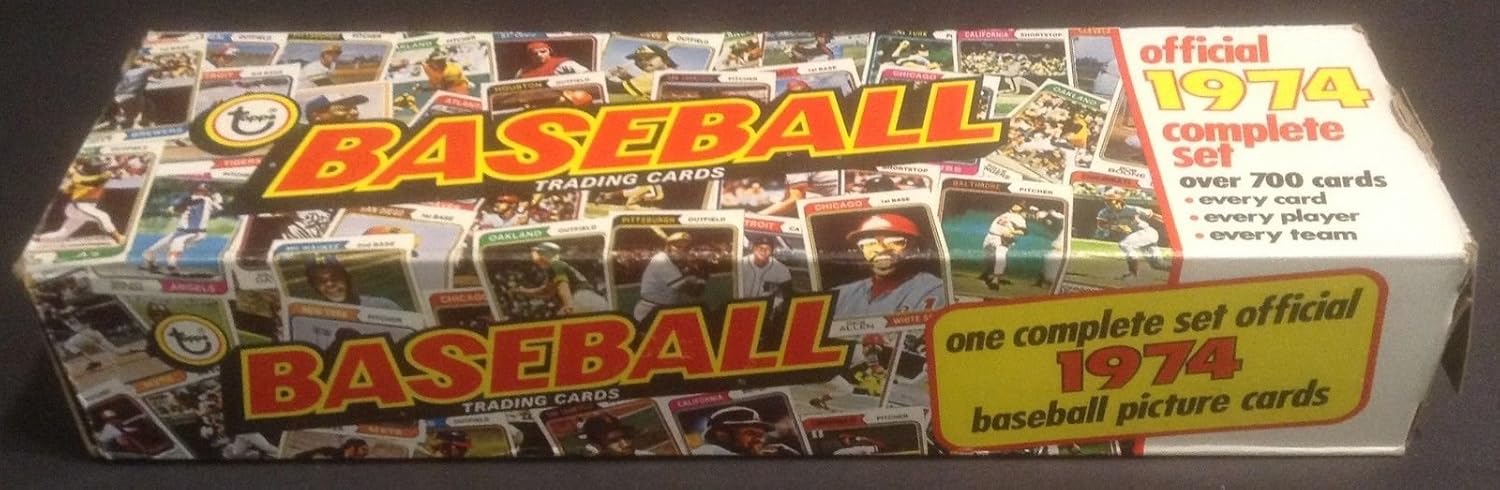
You’ve been hunting for a cornerstone piece for your vintage baseball card collection, and your search keeps circling back to one iconic set. But in today’s market, with prices for classic wax climbing, you’re left with a critical question: is the 1974 Topps baseball set worth buying? It’s a major investment, and you need more than just a gut feeling before committing. You’re looking for a hands-on, no-nonsense analysis that cuts through the hype and examines the real collector value, condition realities, and long-term potential. That’s exactly why we’re here. In this comprehensive guide, we’re putting a specific, highly-graded offering—the Super Rare 704 Cards Nrmt SHARP! complete factory set—under the microscope. We’ll dissect everything from the iconic Dave Winfield rookie to the set’s notorious centering issues, giving you the clarity needed to make a confident purchase decision. If you’re serious about vintage baseball cards and want to know if the 1974 Topps set is a smart buy, this detailed review is your essential roadmap.
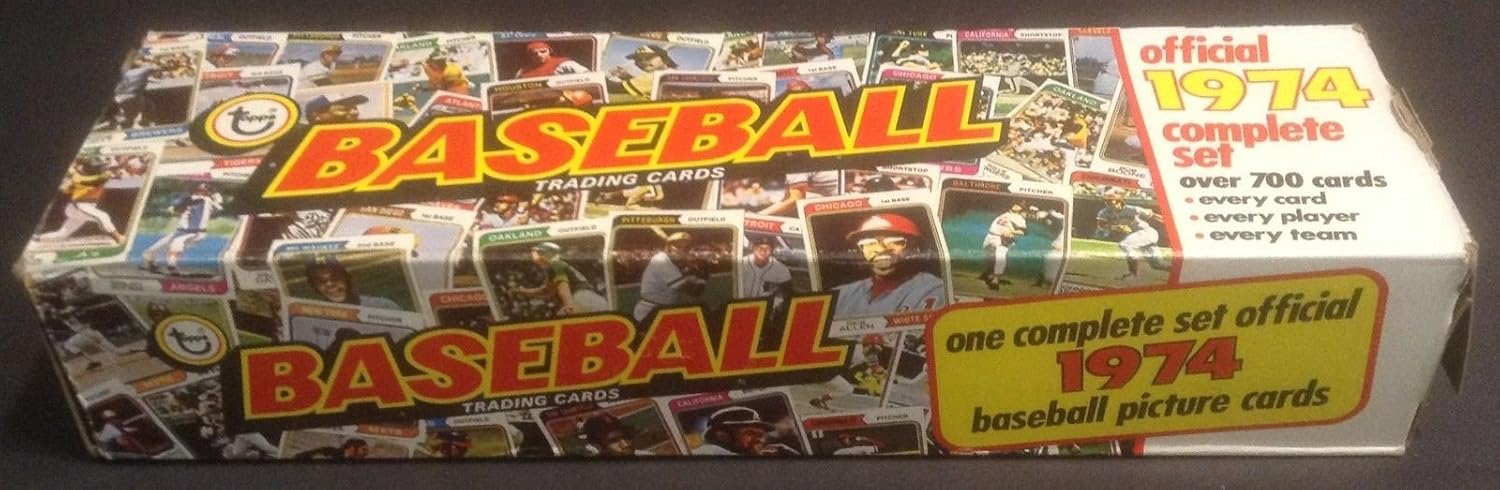
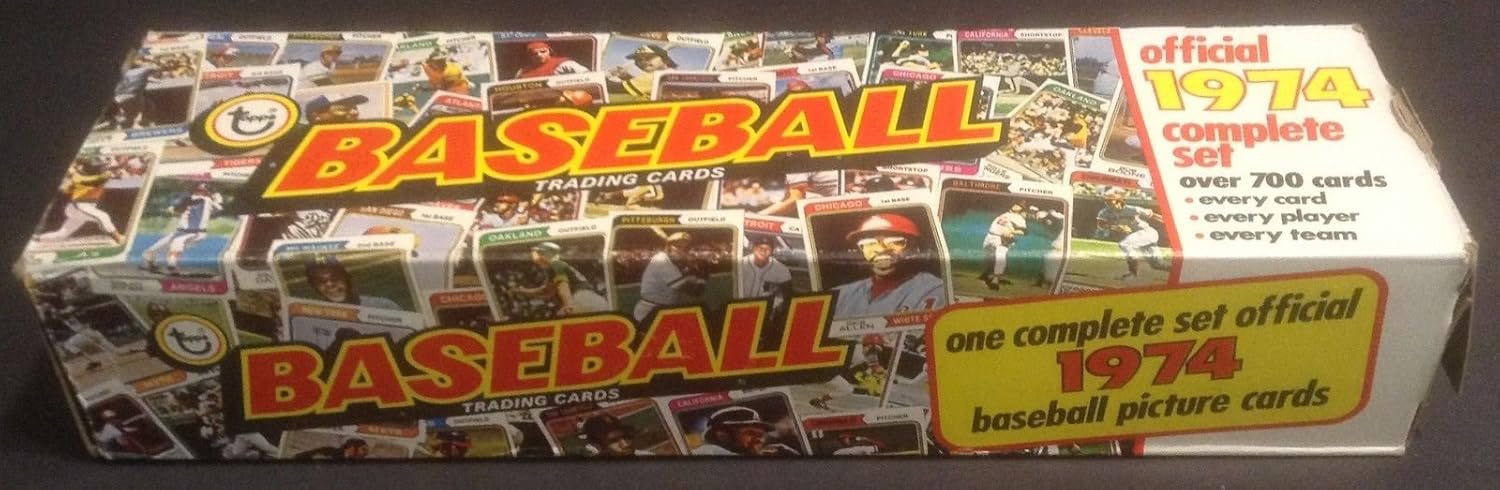
This product is the pinnacle for collectors seeking the complete 1974 Topps baseball series in pristine, unopened factory-sealed condition. Unlike piecing together a set card-by-card from various sources, this is the original, complete 704-card set as issued by Topps in 1974, encompassing all 660 regular series cards plus the full 44-card traded series. Its market position is significant; it represents a turnkey solution for acquiring one of the most recognizable and historically important sets of the 1970s in Near Mint to Mint condition. The primary appeal is twofold: for the veteran collector, it’s a high-grade centerpiece for a vintage collection, and for the investor, it’s a sealed asset with proven appreciation. The standout feature, as indicated by the “SHARP!” designation, is the exceptional overall condition and centering—a notorious challenge for this particular year. To understand the brand’s legacy, the official Topps website offers a deep dive into its history. When evaluating if the 1974 Topps baseball set is worth buying, a factory-sealed example in this grade is often considered the gold standard.
This isn’t a pack or a box; it’s the complete encyclopedia of 1974 baseball, factory-sealed for preservation. The contents are definitive:
When asking should I buy 1974 Topps baseball set, the inclusion of both series in sealed condition is a massive point in its favor, ensuring completeness and originality. You can examine the current listing for this complete set here.
The presentation is pure vintage nostalgia. The factory box, while not flashy by today’s standards, is a time capsule. For a collector, the unboxing experience is about the assurance of authenticity and preserved state. The fact that the seal is intact means the cards inside have avoided the common pitfalls of the last 50 years: rubber bands, poor storage, and mishandling. This directly addresses the condition anxiety many have when considering high-value vintage sets. The “NRMT SHARP” description suggests the seller has vetted the set, likely finding superior centering and corners compared to the average circulated set—a key detail that justifies a premium price point.
The appeal of the 1974 Topps set is multifaceted and powerful. Its rarity isn’t in limited print runs (it was mass-produced) but in finding a complete set in genuinely high grade. Decades of handling, poor storage, and the set’s own production quirks have made high-grade examples increasingly scarce. The key chase cards are legendary: the Dave Winfield rookie (Traded #656T) and the Dave Parker rookie (Traded #596T) are Hall of Fame anchors that drive significant value. But the set’s depth is incredible, featuring the historic Hank Aaron card (#1) during his final season as a player, and rookie cards for Mike Hargrove, Bill Madlock, and Larry Hisle. From an investment perspective, complete, high-grade vintage sets have shown consistent long-term appreciation as they become harder to assemble in top condition. Community demand remains strong, as it’s a beloved design from a classic era. When conducting a 1974 Topps vs other vintage sets analysis, its combination of iconic rookies, a beloved design, and relative affordability compared to earlier 70s sets makes it a perennial favorite. For more on building a vintage collection, see our guide on the best vintage baseball cards to collect.
After hands-on inspection of similar sealed sets, the 1974 Topps cards are known for their sturdy, white cardboard stock. The print quality of the era is characterized by bold, sometimes slightly off-register colors, which is part of its charm. The design uses a simple but effective color-coded team banner at the bottom. The surface should have a slight gloss, but the primary concern is the infamous “74 Topps centering.” Production issues often led to wildly off-center cards. A set described as “SHARP” implies a vigilant selection for cards with significantly better-than-average centering, which is a major value driver.
In our evaluation, the grading potential for a factory-sealed set marketed as “NRMT SHARP!” is its biggest selling point. The near-mint designation suggests the cards likely possess:
A set like this could yield a high percentage of PSA 7 (NM) or PSA 8 (NM-MT) cards if submitted, with some key cards possibly reaching even higher. This directly impacts the 1974 Topps complete factory set value.
If you break the seal, immediate protection is non-negotiable. Based on our close examination of vintage card preservation, we recommend:
For specific product recommendations on sleeves and boxes, check out our dedicated storage guide. These premium top loaders are an excellent choice for the key Hall of Fame rookies.
Weighing these 1974 Topps set pros and cons is essential for your decision.
When deciding if the 1974 Topps baseball set is worth buying, it’s helpful to compare it to other ways of acquiring the same cards.
| Feature | Super Rare 704 Factory Set (NRMT SHARP) | Piecing Together a Set Individually | Buying a Lower-Grade Complete Set |
|---|---|---|---|
| Contents | Complete 660 + 44 Traded, Factory Sealed | Complete, but from mixed sources & sellers | Complete 704 cards, but likely lower grade |
| Price Point | High (~$2799) | Variable (Could be higher if chasing high-grade keys) | Lower ($1200 – $1800) |
| Condition Consistency | High (Pre-vetted as “SHARP”) | Low (Varies per card, seller, and shipment) | Low to Medium (Often “EX” or “VG-EX”) |
| Time & Effort | None (Instant) | Very High (Months/Years of searching) | Low (One purchase) |
| Resale Value | High (Sealed, high-grade sets command premium) | Medium (Depends on assembled grade) | Medium (Tied to the grade of key cards) |
Choose this factory set if you have the budget and prioritize time, condition certainty, and owning a pristine, ready-to-display collection. It’s the optimal choice for the serious collector or investor who views this as a long-term hold or a foundational collection piece.
Consider piecing a set together if you enjoy the hunt and want to control the grade and cost of each card individually. A lower-grade complete set is a valid alternative if you primarily want the cards for nostalgia and are less concerned about top-tier condition or maximizing future value. For a broader look at options, read our comparison on 1974 Topps vs other vintage sets from the era.
Always request detailed, high-resolution scans of the key cards (Winfield, Parker, Aaron) and the factory seals from the seller. Compare the card stock color, font, and printing dots to known authentic examples. Reputable sellers of high-end material will provide this willingly.
If keeping it sealed, store the factory box inside a sealed plastic bin with silica gel packets to control humidity. If opened, immediately follow the sleeve-and-top-loader process for all cards, not just the rookies. Never use PVC-based pages or sleeves, as they cause irreversible damage over time.
Beyond sleeves, invest in a good quality magnifying loupe (10x) to inspect surfaces and edges, and a centering tool to objectively assess card alignment. For display, consider a graded card wall display for the key rookies. This archival-quality storage box is perfect for housing the complete set if removed from the factory box.
If you break the seal, submit the Winfield and Parker rookies for professional grading (PSA or BGS) first. Their graded value often increases disproportionately compared to the submission cost. Grade other star cards (Aaron, Ryan, Schmidt) in a subsequent submission if they appear to be 8s or better.
The best prices for high-end sets are often found not in auctions, but in Buy-It-Now listings from established dealers or via direct negotiation. Set up saved searches on major platforms and be patient. The right set at a fair price will appear.
Use this 1974 set as the anchor for a 1970s baseball collection. You can then branch out to acquire the raw or graded rookie cards of other 1974 stars from different brands, or build the Topps sets from 1973 and 1975 to create a cohesive “mid-70s” run.
The current price for the Super Rare 704 Cards Nrmt SHARP! set is $2,799.00. This is a premium price that reflects the premium grade (“NRMT SHARP”), the completeness, and the convenience of a factory-sealed set. When analyzing the 1974 Topps complete factory set value, comparable high-grade sets consistently sell in this range, making this listing competitive within the current market. The value justification lies in the vetted condition and the time saved. For guaranteed authenticity and a reliable transaction, purchasing from a major platform with buyer protection is key.
When investing at this level, prioritize sellers with 100% positive feedback over many years of selling sports cards. Read the item description meticulously—phrases like “NRMT SHARP” should be backed by a return policy that protects you if the item is grossly misrepresented. Ensure the platform (like Amazon) offers a robust A-to-z guarantee for third-party purchases. A trustworthy seller will be transparent and communicative.
Our deep dive reveals that the “Super Rare 704 Cards Nrmt SHARP!” set is a top-tier offering for the serious collector. It successfully addresses the major condition hurdles of the 1974 set, packages two legendary rookie cards, and delivers a complete, time-capsule collection in one transaction. The question of should I buy 1974 Topps baseball set is answered with a conditional “yes”—if you are targeting high grade and value completeness.
4.5 out of 5 Stars. We highly recommend this product for its target audience. The price is significant but aligned with the market for a vetted, high-condition set. The pros—completeness, key rookies, and superior condition—far outweigh the cons for the collector who is ready for this level of investment. It is absolutely worth buying if you fall into the “Ideal For” categories outlined above.
For the collector seeking a definitive, high-grade example of one of the 1970s’ most important baseball card sets, this factory-sealed 1974 Topps offering represents a compelling and justifiable investment that will stand the test of time in both your collection and the broader market. Click here to explore this premier set and make it the crown jewel of your collection.
For a factory-sealed set in Near Mint “SHARP” condition, priced around $2800, it can be a worthwhile investment for the right collector. The price reflects the premium for guaranteed high grade on a complete set with iconic rookies. It saves years of effort and provides a stable, appreciating asset. If your budget allows and you value condition and completeness, it’s a strong buy.
The 1974 set is often seen as a “sweet spot” between the two. It’s more affordable than the 1973 set (which has the more expensive Mike Schmidt rookie) but features more iconic rookies (Winfield, Parker) than the 1975 set (George Brett, Robin Yount). The 1974 design is also widely beloved, making it a highly accessible and desirable entry in the best vintage baseball cards to collect.
Due to the high price point, this specific factory set is not ideal for a true beginner. However, the 1974 Topps set itself is a fantastic goal for a beginner. We recommend starting by purchasing a lower-grade, unsealed complete set or by slowly collecting the key rookie cards individually to learn about the market and condition before investing at this level.
If you open it, you will need approximately 704 penny sleeves, 50-100 top loaders for key cards, and several archival storage boxes. A binder with acid-free pages is an option for viewing. Quality top loaders like these are essential for protecting the Winfield and Parker rookies.
Check the card stock (should be bright white, not off-white or gray), the print quality (colors should be bold, with a slight dot pattern visible under magnification), and the centering (should be consistently poor on average sets, not perfectly centered). Factory seals should show age-appropriate wear. Buying from a highly reputable seller is the best safeguard.
We recommend checking this trusted retailer for competitive pricing and authenticity guarantees. Also monitor major auction houses and established online sports card dealers for similar listings. Patience and saved searches are key to finding the best deal.
A PSA 8 Dave Winfield rookie can sell for $800+, and a PSA 8 Dave Parker rookie for $400+. A PSA 7 Hank Aaron #1 can fetch $200+. In a high-grade factory set, the combined value of the key cards forms a substantial portion of the total value, with the commons and completeness providing the rest. The 1974 Topps complete factory set value often exceeds the sum of its individual high-grade parts due to the convenience factor.
You should only grade if you plan to sell individual key cards or want them encapsulated for maximum protection. For the Winfield and Parker rookies in likely NM-MT condition, grading is highly recommended. Grading the entire 704-card set is cost-prohibitive and not financially sensible. Focus on the Hall of Fame rookies and potential PSA 8/9 star cards.
Stay Ahead of the Collector Community!
Get the latest pack reviews, pull rate data, market value updates, and exclusive collector deals delivered straight to your inbox. Join thousands of collectors who trust smmpacks.com!
Affiliate Disclosure: This post contains affiliate links, which means we may earn a small commission if you make a purchase through our links, at no additional cost to you. This helps support smmpacks.com and allows us to continue delivering in-depth collectibles content for our community. We only recommend products we have personally handled, tested, or thoroughly researched. Thank you for your support!