Physical Address
304 North Cardinal St.
Dorchester Center, MA 02124
Physical Address
304 North Cardinal St.
Dorchester Center, MA 02124


You’re standing in your bathroom, looking at a builder-grade vanity that lacks any soul, and you’re dreaming of a statement piece that tells a story. You’ve scrolled through countless options, but you keep circling back to one that promises not just storage, but a slice of history. The price tag gives you pause, and the big question forms: is the Native Trails Winemaker vanity worth it? This isn’t just a furniture purchase; it’s an investment in a collectible piece of functional art. As a collector of unique home pieces, you need to know if the craftsmanship, story, and presence justify the cost. In this hands-on, expert review, we’ll dissect every slat and joint to help you decide if this reclaimed oak masterpiece is the right centerpiece for your collection. We’ve evaluated it against the market to give you the definitive answer on whether the Winemaker vanity worth buying is a savvy move for a discerning enthusiast. For more on evaluating high-end collectible furniture, check out our guide to investment furniture.
This is not your average bathroom cabinet. The Native Trails Winemaker 48 Vanity is a handcrafted furniture piece that blurs the line between utilitarian fixture and collectible artifact. Its category is “reclaimed wood vanity,” but its market position is that of a conversation-starting heirloom piece. The primary appeal lies in its provenance: each unit is constructed in California from authentic oak wine barrel staves that have completed their lifecycle in winemaking. This gives every vanity a unique grain pattern and a subtle, inherent character that mass-produced pieces cannot replicate. The target audience is the collector who values narrative, sustainability, and artisanal quality over fast furniture. Key innovations include its intricate horizontal slatting, which is both a design signature and a nod to barrel construction, and its discreet, integrated drawer pulls that maintain a clean aesthetic. Native Trails, as a brand, focuses on ethically sourced materials and artisanal techniques, making this a centerpiece for those who support conscious craftsmanship. You can learn more about their philosophy directly on the Native Trails official website. For any collector asking should I buy Native Trails Winemaker vanity, understanding this foundational story is the first step.
Unlike a trading card pack with random pulls, what you get with the VNM481 is a defined, substantial item. Upon delivery, you receive one fully assembled vanity cabinet in the Cask Oak finish. The package includes the main cabinet body featuring the signature horizontal slat design, two full-extension drawers equipped with premium soft-close slides, and one fixed open shelf. It’s crucial to note the “pull rates” here are 100% for these core components—you are guaranteed this specific configuration. However, much like a high-end collectible that requires a protective case, the vanity top, sink, faucet, and plumbing are not included. This is a critical point for collectors: the base investment is for the cabinet only, and budgeting for complementary pieces is part of the total acquisition cost. When evaluating if the Native Trails Winemaker vanity worth it, this separation of components is a key factor in the total cost of ownership.
The unboxing experience is commensurate with a luxury collectible. The vanity ships fully assembled, which is a significant benefit, protecting it from the potential damage and complexity of DIY assembly. It is meticulously packed with heavy-duty cardboard corner protectors, foam blocks, and stretch wrap to secure it during transit. The first impression is one of substantial heft and immediate character; the wood grain and cask oak finish are visible and striking even through the packaging. The presentation matches the premium price point, reducing the risk of shipping defects that can plague lesser brands. There are no surprise inserts or accessories, but the quality of the single, focused item makes a strong statement. For a collector, this careful packaging is a strong indicator of the brand’s respect for its product and its customer.

The rarity of the Winemaker vanity isn’t about a limited edition number stamped on a tag; it’s about material scarcity and artisanal production. Each piece is made from a finite resource—reclaimed oak wine barrels—meaning no two vanities are identical. The variations in grain, color, and subtle markings from the barrel’s previous life are the “chase variants” of this category. This makes each unit a unique find. In terms of investment and resale value, well-maintained, high-quality artisan furniture often holds its value better than mass-market alternatives, especially as the materials become scarcer. Community demand is strong among homeowners and designers seeking authentic, sustainable statement pieces, which supports its secondary market desirability. While it may not appreciate like a PSA 10 Charizard, it represents a stable, functional collection piece that depreciates slowly, if at all, when cared for properly. Its brand popularity is growing among those who reject disposable decor. For someone compiling the best reclaimed wood vanity to collect, the Winemaker’s story and authenticity are its strongest selling points. For a deeper dive into what makes furniture collectible, see our article on artisan furniture as an asset.
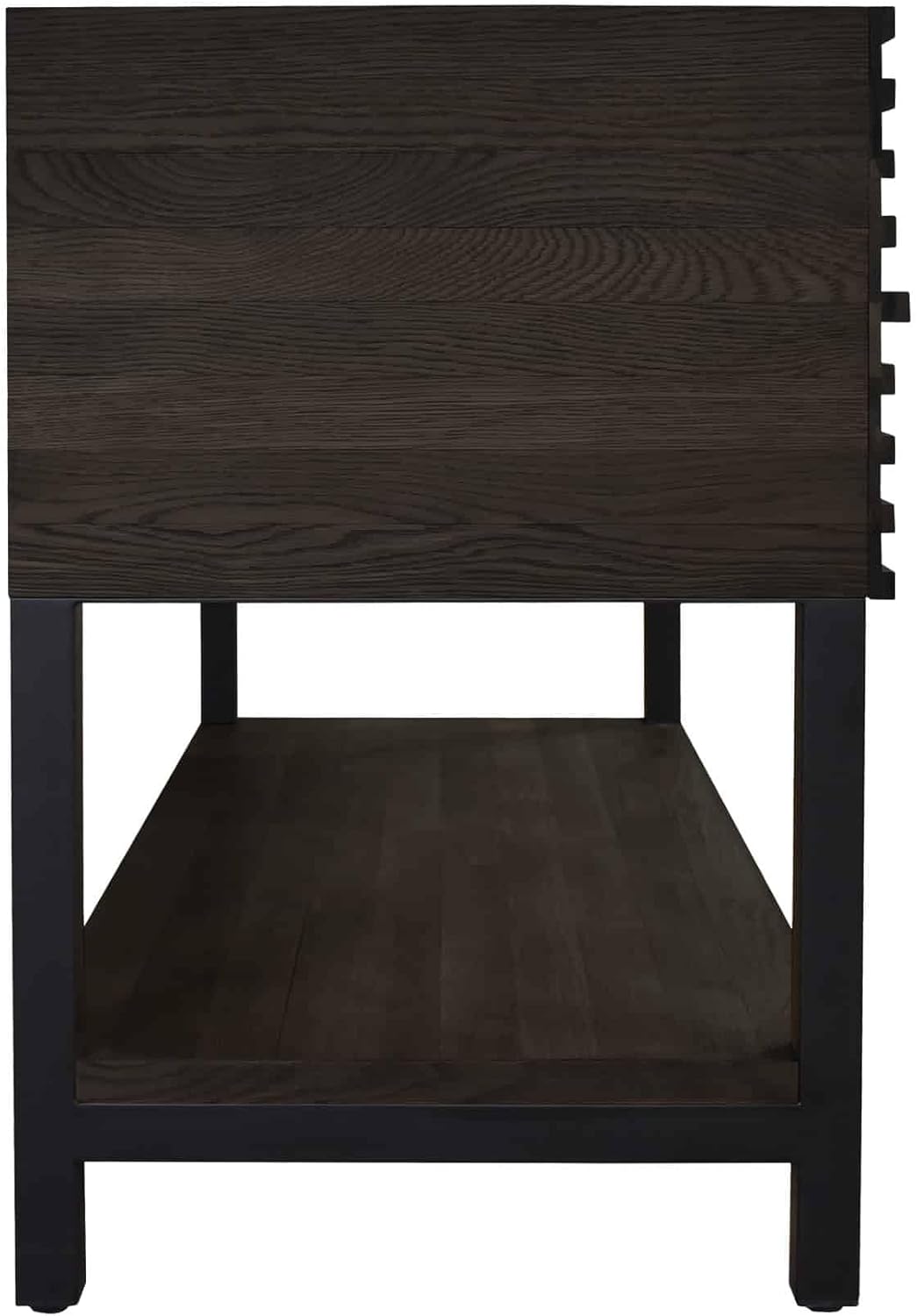
After hands-on inspection, the build quality is where the Winemaker vanity truly justifies its collector status. The solid and reclaimed oak construction is substantial, with a palpable weight (130 lbs) that signals durability. The Cask Oak finish is not a superficial stain; it’s a treatment that enhances the wood’s natural character, allowing the grain, knots, and subtle color variations from the wine to shine through. The “print quality,” so to speak, is excellent—the horizontal slats are evenly spaced and securely joined, with no visible glue marks or misalignments. The structural integrity is robust, designed to be a free-standing piece secured with wall anchors for stability.
If we were to “grade” this like a collectible, its out-of-the-box condition is consistently high. Centering (the alignment and symmetry of the slat work) is precise. The surface is smooth but retains the authentic texture of reclaimed wood—it’s not flawlessly uniform, which is part of its charm. Corners and edges are well-finished, with no splintering or rough spots. For a collector, this means you can expect a “mint condition” piece upon arrival, with the unique, desirable “flaws” that authenticate its reclaimed nature. It is absolutely suitable for a high-end display in your home without needing restoration or touch-ups.
Long-term preservation is straightforward but important. While the finish is durable, it’s still wood. We recommend using a high-quality wax or oil-based polish designed for reclaimed wood every 6-12 months to maintain the luster and protect against moisture. Avoid harsh chemical cleaners. For the soft-close drawer slides, a periodic application of a silicone-based lubricant will ensure decades of smooth operation. Think of this maintenance like putting a premium sleeve on a valuable card—it protects your investment. For recommended care products, consider this trusted source for the vanity and compatible care kits. Our guide to caring for wood collectibles offers more detailed preservation strategies.
When conducting a Native Trails Winemaker vs alternatives analysis, it’s essential to compare it to other high-end reclaimed or solid wood vanities. Below is a breakdown of how it stacks up.
| Feature | Native Trails Winemaker 48″ | Brand X Reclaimed Barnwood Vanity | Brand Y Solid Alder Vanity |
|---|---|---|---|
| Core Material | Reclaimed Oak Wine Barrels | Reclaimed Mixed Barnwood | Solid Alder Wood |
| Price Point (Base) | ~$2,923 | ~$1,800 | ~$2,200 |
| Uniqueness / “Pull Rate” | Extremely High (Unique grain/character) | High (Varied planks) | Low (More uniform appearance) |
| Included Components | Cabinet Only | Cabinet & Top (often) | Fully Assembled with Top |
| Collector Demand & Resale | Strong niche demand, stable value | Moderate demand | Broad demand, but less unique |
| Overall Value for Collector | High (For story/art piece) | Good (For rustic look) | Good (For traditional quality) |
Choose the Winemaker vanity if your primary goal is to acquire a unique, conversation-starting artifact with an authentic story. It’s the best choice when design narrative, sustainable sourcing, and artisanal craftsmanship are your top criteria, and you view the piece as a long-term collectible investment for your home.
Consider alternatives if your budget is strict and you need a complete, ready-to-use package (top included). Also, if you prefer a more uniform, predictable wood grain or a different style (e.g., sleek modern), a solid wood vanity from another brand might be a better functional fit, even if it lacks the unique collectible essence. For a detailed comparison of other artisan brands, read our reclaimed vanity showdown.
Always purchase from authorized retailers like the linked Amazon store or directly from Native Trails. Counterfeits in this niche are rare but can exist as cheap imitations using printed veneers instead of real reclaimed wood. Authentic pieces will have visible end-grain, varying plank widths, and subtle imperfections. The weight (130 lbs) is also a good indicator—fake materials are often lighter.
Place the vanity in a bathroom with good ventilation to minimize prolonged exposure to humidity. Use a bath mat to catch direct water splashes. The recommended wax polish not only protects but deepens the rich color over time, enhancing its patina.
This is where you can personalize your collectible. A honed marble or quartzite top complements the rustic oak beautifully. Ensure the top supplier knows the exact dimensions (48″ x 21.5″ for the cabinet) and the required overhang. Purchasing from a trusted vendor ensures you get the correct base model to match your top.
Do not skip the wall anchoring step. Even though it’s heavy, securing it to the wall studs prevents any possibility of tipping and ensures it remains a permanent, stable fixture in your collection. Use a professional installer if you’re not confident.
Take high-quality photos of the grain and details upon arrival. This documents its “mint” condition for insurance purposes and allows you to appreciate the unique characteristics that make yours one-of-a-kind.
The Winemaker line includes mirrors, shelves, and other pieces. Building out a full set can create a cohesive, highly curated look in your bathroom, increasing the overall impact and collectible value of the ensemble.
Current Price: $2,923.50. This positions it at the high end of the vanity market, but squarely within the realm of artisan-made, collectible furniture. When you analyze the Native Trails Winemaker pros cons, the price is the most prominent “con,” but it is directly tied to the most significant “pros”: material scarcity and handcrafted quality. You are paying for a unique artifact, not just a cabinet. Deals are uncommon due to its niche, artisanal nature. The best way to ensure authenticity and secure the manufacturer’s warranty is to purchase from authorized dealers.
When buying, prioritize sellers with clear return policies (often 30 days for unopened/unused items) and positive feedback specifically on large furniture handling. Amazon’s A-to-z Guarantee offers buyer protection. Given the size and weight, understand who covers return shipping costs if there is a problem—this is a key part of assessing seller trustworthiness for large collectibles.
Our hands-on evaluation confirms the Native Trails Winemaker Vanity is an exceptional piece of functional art. Its build quality from reclaimed wine barrel oak is superb, its design is distinctive and bold, and its craftsmanship justifies its position in the luxury artisan market. The need to purchase a top separately is a notable consideration, but for the right buyer, it allows for customization. The question of should I buy Native Trails Winemaker vanity hinges entirely on what you value.
We give it a strong 4.5 out of 5 stars for the collector and design enthusiast. It is absolutely worth buying if you are seeking a one-of-a-kind, story-rich centerpiece for your home that doubles as a sustainable collectible. It is not worth it if you view a vanity as purely utilitarian storage and are unwilling to invest in the complementary components.
If you appreciate narrative, craftsmanship, and unique materials, the Native Trails Winemaker vanity worth it is a resounding yes—it’s an heirloom-quality collectible that you’ll use every day. Secure your piece here and start curating a bathroom that tells a story.
For the collector or design aficionado, yes. You are not paying for a generic cabinet; you are investing in a unique artifact made from scarce, storied materials with artisanal craftsmanship. Its value lies in its uniqueness, sustainability, and aesthetic impact, not just its function. If those elements matter to you, the price is justified.
The Winemaker stands out due to its specific material provenance (wine barrels) and its signature horizontal slat design. Many reclaimed vanities use mixed barnwood, which has a different, often more rustic, character. The Winemaker tends to have a more refined, intentional look while still being authentically reclaimed. It’s often in a higher price bracket due to this specificity and brand reputation.
It can be, if your beginner’s budget allows. It’s a fantastic example of what artisan furniture can be—a great educational piece. However, the higher price and need for additional components might make it a more ambitious first purchase. Starting with a smaller item from the Winemaker line, like a shelf, could be a better introduction.
Beyond the necessary top and sink, your main “protection” accessories are care products: a soft, microfiber cloth for dusting and a high-quality wax or oil for reclaimed wood (like Osmo or Rubio Monocoat). Avoid plastic mats that can trap moisture; use a breathable cotton bath rug instead.
Authentic pieces have substantial weight, visible and varied wood grain (not a repeating printed pattern), real joinery (dovetails or sturdy box joints on drawers), and the unique scent of real oak. The finish will be in the wood, not on top of it. Always buy from the official linked retailer to guarantee authenticity.
We recommend purchasing from this trusted retailer for competitive pricing and guaranteed authentic products. Prices are generally stable across authorized dealers due to MSRP policies, but you benefit from reliable shipping and customer service.
While not a liquid asset like trading cards, high-quality artisan furniture holds value well. A well-maintained Winemaker vanity in good condition can retain a significant portion of its value, especially as reclaimed materials become more sought-after. Its uniqueness makes it desirable on secondary markets like high-end consignment shops or architectural salvage stores.
Yes, one of the benefits of real wood is that it can be refinished. However, doing so may alter or remove the distinctive “Cask Oak” finish and the subtle tones from the wine. It’s recommended to consult a professional furniture restorer if you ever wish to change its look, to preserve the integrity of the wood.
Stay Ahead of the Collector Community!
Get the latest pack reviews, pull rate data, market value updates, and exclusive collector deals delivered straight to your inbox. Join thousands of collectors who trust smmpacks.com!
Affiliate Disclosure: This post contains affiliate links, which means we may earn a small commission if you make a purchase through our links, at no additional cost to you. This helps support smmpacks.com and allows us to continue delivering in-depth collectibles content for our community. We only recommend products we have personally handled, tested, or thoroughly researched. Thank you for your support!