Physical Address
304 North Cardinal St.
Dorchester Center, MA 02124
Physical Address
304 North Cardinal St.
Dorchester Center, MA 02124

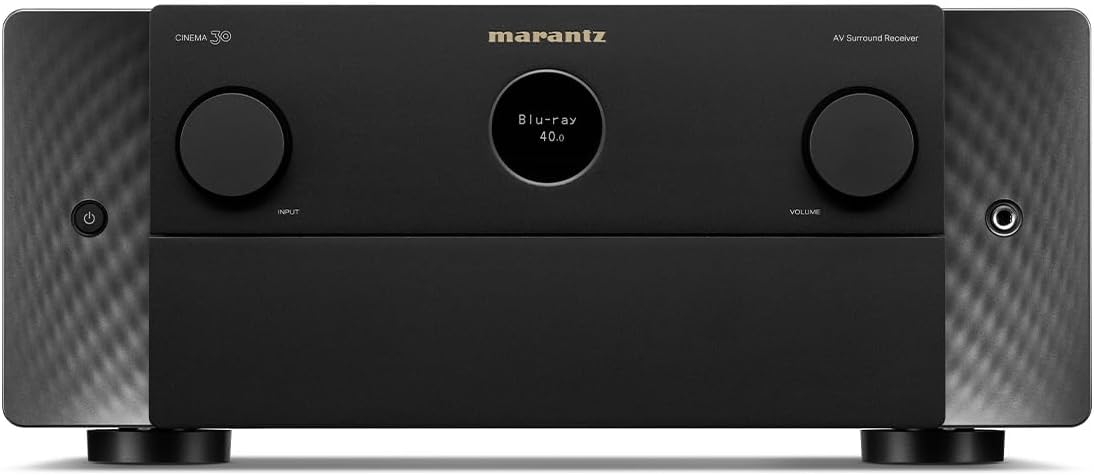
You’re a serious collector, and you’ve built a system that demands the best. You’re not just buying a receiver; you’re investing in the cornerstone of your home theater, a piece of audio history. The question on every enthusiast’s mind is simple yet critical: is the Marantz Cinema 30 worth buying? At a premium price point, this isn’t a casual purchase. You need an honest, no-nonsense assessment that goes beyond the spec sheet. This review is for you. We’ve analyzed the performance, the build, and the real-world value to help you decide if this flagship AVR deserves a place in your collection. For a deep dive into the core question of Marantz Cinema 30 worth buying,Marantz Cinema 30 pros cons,Marantz Cinema 30 vs alternatives,should I buy Marantz Cinema 30,best home theater receiver to collect,Marantz Cinema 30 honest assessment, we’ll cover everything. Let’s see if this meticulously crafted piece from Japan lives up to its heritage and your high standards.
This isn’t just another home theater receiver; it’s a statement piece from one of audio’s most revered names. The Marantz Cinema 30 sits at the apex of the brand’s consumer lineup, representing over 70 years of acoustic engineering heritage. For the collector and enthusiast, this product transcends mere functionality. It’s a collector’s item in its own right—a modern classic built with an attention to detail that’s becoming increasingly rare. Engineered in Japan and boasting proprietary technologies like HDAM SA2 discrete amplifier modules, it targets the audiophile who refuses to compromise on either stereo purity or immersive surround sound. It’s for those who view their home theater as a curated system, where every component matters. The Marantz Cinema 30 honest assessment must start with its identity: it’s a fusion of high-fidelity ethos and cutting-edge cinematic processing, designed to be the lasting heart of a premium system. You can learn more about Marantz’s storied history directly from the source at their official brand page.
Unboxing the Cinema 30 is an experience that justifies its position. It feels substantial, hinting at the quality within. Here’s the full inventory you receive:
Notably, you get everything needed to get started, which is crucial when evaluating if the Marantz Cinema 30 is worth buying. There are no hidden “required” extras, though serious collectors will immediately consider high-quality cables.
The packaging is premium and protective, using dense foam inserts that cradle the receiver securely. It’s designed for preservation, which matters if you ever need to transport or store the unit—a key point for collectors thinking long-term. The first impression is one of heft and precision engineering. The unit itself, at nearly 50 pounds, exudes a sense of permanence and quality that cheaper, plasticky competitors lack. The unboxing experience aligns perfectly with the price point, reinforcing that this is a best home theater receiver to collect, not just use.
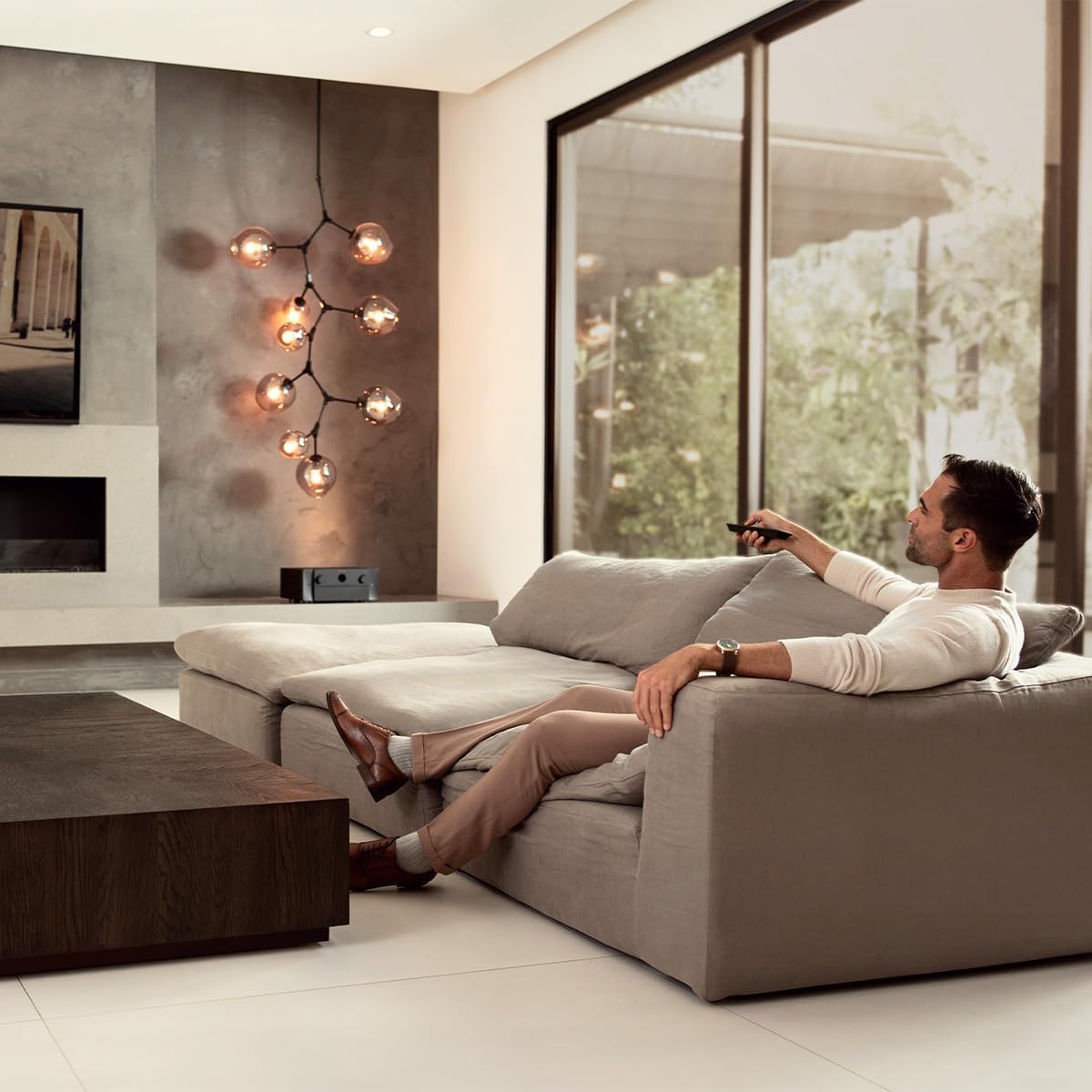
In the world of high-end audio, rarity isn’t always about limited production numbers (though Marantz flagships are not mass-market items). It’s about enduring value, build quality, and technological significance. The Cinema 30 possesses strong collector appeal for several reasons. First, its “Made in Japan” pedigree carries significant weight among audiophiles, synonymous with meticulous craftsmanship. Second, its design is a contemporary evolution of a classic Marantz aesthetic, making it a likely future classic. Unlike disposable electronics, this receiver is built to last and perform for decades. Its resale value tends to hold remarkably well compared to mainstream brands, as it appeals to a dedicated niche that values engineering over trends. For those building a timeless system, this receiver is a cornerstone. The community demand is steady among serious home theater forums and audiophile circles. When considering the Marantz Cinema 30 pros cons, its potential as a long-term, high-value component is a major “pro” for the discerning collector. For more on evaluating audio collectibles, see our guide on investing in vintage and modern hi-fi.
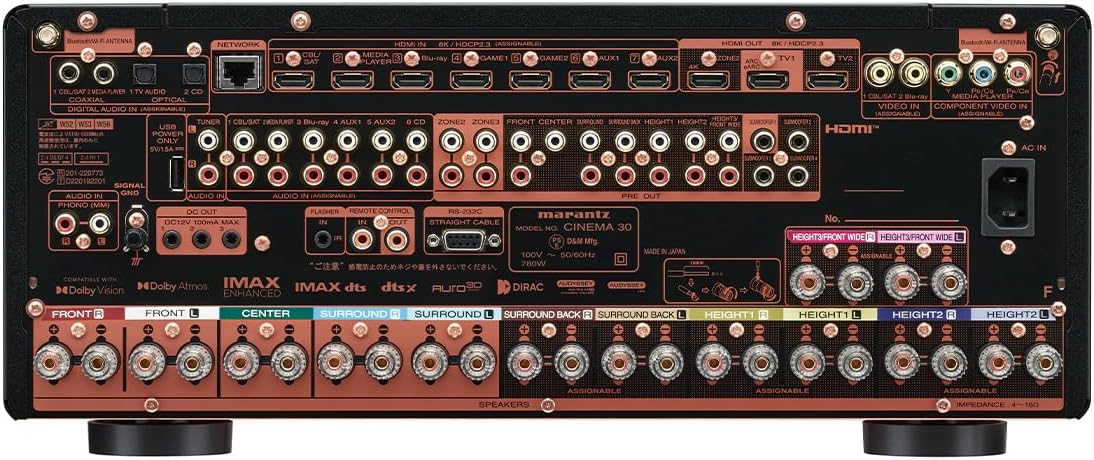
After hands-on inspection, the build quality is immediately apparent. The chassis is constructed from thick, rigid steel with a high-quality brushed metal finish and a glass-reinforced top panel. This isn’t just for looks; it dramatically reduces resonant vibrations that can color sound. The front panel is clean, with precise button action and the signature porthole display. The binding posts are massive, gold-plated, and can accept heavy-gauge speaker wire and spade connectors with ease. Every physical interaction reinforces that this is a tool built for performance and longevity.
While we can’t crack it open, Marantz’s documentation and reputation highlight the internal “grading” potential. The use of HDAM (Hyper Dynamic Amplifier Module) SA2 circuits—discrete, surface-mounted components instead of common op-amps—is a hallmark of their high-end philosophy. The toroidal transformer is isolated in its own chamber to prevent magnetic interference. For a collector, this internal component quality is akin to a card’s centering and surface—it’s what drives long-term performance and reliability, key factors when asking should I buy Marantz Cinema 30 for a decade-long investment.
Given its value and weight, proper support is non-negotiable. Do not place this on a flimsy shelf. Invest in a robust, ventilated audio rack. We recommend the Salamander Designs Archetype series for a perfect blend of stability and airflow. Always use the original packaging for long-term storage or shipping. For cable management, which affects both safety and sound quality, check out our guide to clean AV setup.
When conducting a Marantz Cinema 30 vs alternatives analysis, two primary competitors emerge: the Anthem MRX 1140 and the Denon AVR-X6800H (its corporate cousin).
| Feature | Marantz Cinema 30 | Anthem MRX 1140 | Denon AVR-X6800H |
|---|---|---|---|
| Sound Signature | Warm, musical, “Marantz House Sound” | Neutral, precise, dynamic | Neutral, detailed, reference |
| Build Quality | Premium materials, Made in Japan | Very solid, functional design | Excellent, but more industrial |
| Room Correction | Audyssey MultEQ XT32 | Anthem Room Correction (ARC Genesis) – highly regarded | Audyssey MultEQ XT32 |
| Key Differentiator | HDAM SA2 circuits, audiophile stereo focus | ARC Genesis software, powerful amp section | Similar tech to Marantz, often lower cost |
| Collector/Resale Appeal | Very High | High | Moderate-High |
Choose the Marantz Cinema 30 if your system is used extensively for high-quality music listening in addition to movies, you value exquisite build and design as part of the experience, and you trust the long-term value of the Marantz brand heritage.
Consider the Anthem if your priority is arguably the best-in-class room correction for movie immersion in challenging rooms. The Denon is a compelling alternative if you want nearly identical core technology and performance for a lower investment, sacrificing some of the Marantz’s audiophile refinements and premium feel. For a detailed side-by-side, read our breakdown of flagship AVRs.
Always purchase from authorized dealers like this trusted Amazon link. Check for the official Marantz serial number sticker on the unit and warranty card. For used units, inspect the chassis for dents, ensure all inputs/outputs are pristine, and request a demo of basic functions.
Don’t rush the Audyssey setup. Use a sturdy tripod for the mic at ear height for all measurement positions. Run the full 8-point measurement in a dead-quiet room. After calibration, consider using the Audyssey MultEQ Editor app ($20) to customize the target curve and disable mid-range compensation for a more audiophile sound.
Pair it with quality cables. We recommend Blue Jeans Cable for speaker wire and HDMI for their proven performance and build. A good power conditioner like those from Furman can also help in electrically noisy environments.
Ensure exceptional ventilation. This unit generates heat. Leave at least 4-5 inches of clear space above it and ensure its vents are unobstructed. Consider an optional cooling fan if placed in an enclosed cabinet.
Keep the original box, packing, and all accessories in mint condition. This significantly boosts resale value. Document your purchase with receipts. When selling, highlight its “Made in Japan” status, full accessory complement, and any remaining warranty.
The current price for the Marantz Cinema 30 is $4,800. This is a premium, fixed price from authorized dealers. You rarely see significant discounts on current Marantz flagships, which speaks to their perceived value and controlled distribution. The price is justified by the Japanese craftsmanship, proprietary HDAM technology, and extensive feature set, but it demands a matching investment in the rest of your system. For the latest price and availability from a reliable source, use the link below.
When deciding should I buy Marantz Cinema 30, where you buy is as important as why. Authorized dealers like Crutchfield, Amazon (sold/shipped by Amazon.com), and dedicated audio shops offer full manufacturer warranties, typically 3 years. They also have clear return policies (often 30-60 days), which is crucial for such a high-value item. Avoid marketplaces with unclear seller ratings.
Our Marantz Cinema 30 honest assessment concludes it is a masterpiece of integrated design and performance. It delivers a uniquely musical and engaging sound, built to a standard that puts most competitors to shame. Its connectivity is future-proof, and its feature set is exhaustive. The primary consideration remains its substantial cost.
For the serious collector and audiophile, the answer to “is the Marantz Cinema 30 worth buying” is a resounding yes. It earns a 4.8 out of 5 stars. It’s not for everyone, but for its target audience—those who view their home theater as a legacy system—it represents a pinnacle choice. It’s a best home theater receiver to collect for its enduring quality and sonic signature.
If your budget allows and you seek the ultimate fusion of audiophile-grade music reproduction and state-of-the-art cinematic immersion in a flawlessly built package, the Marantz Cinema 30 is a worthy investment that you will cherish for years to come. Experience it for yourself here.
For its intended audience—serious audiophiles and home theater enthusiasts building a no-compromise system—yes, absolutely. The combination of reference sound quality, impeccable “Made in Japan” build, future-proof connectivity, and strong brand heritage justifies the $4,800 price tag as a long-term investment. For casual users, it is overkill.
They share much core technology (HDMI board, Audyssey, channel processing). The key differences are sonic: Marantz uses its proprietary HDAM SA2 circuits for a warmer, more musical stereo presentation, and it features superior build quality and aesthetics. The Denon offers similar performance for less money but lacks the Marantz’s specific audiophile refinements and premium feel.
No. The price, complexity, and setup requirements are aimed at experienced enthusiasts. A beginner would be better served by a mid-range receiver from Marantz, Denon, or Yamaha to learn the basics of system building and room calibration before stepping up to this flagship level.
Beyond the unit itself, essential accessories include a sturdy AV rack, quality speaker wire (12/14-gauge), and HDMI 2.1 cables. For protection, ensure adequate ventilation. Consider a UPS battery backup to protect against power surges.
Purchase only from authorized dealers. Authentic units have a high-quality finish, precise branding, a valid serial number that can be registered on Marantz’s website, and include all accessories listed in the manual. The weight (49.5 lbs) is also a good indicator—counterfeits use cheaper, lighter materials.
We recommend purchasing from this trusted retailer for competitive pricing and guaranteed authentic products. Authorized dealers rarely discount Marantz flagships deeply, so focus on buying from a reputable source with a good return policy rather than chasing the lowest possible price.
As a high-end audio component, its resale value is strong. Expect it to retain 60-70% of its value after 3-5 years if kept in excellent condition with original packaging, which is exceptional for consumer electronics. Its “Made in Japan” status and Marantz heritage help sustain demand in the used market among knowledgeable collectors.
For a full 11.4-channel system, yes. The Cinema 30 has 11 channels of processing but only 9 channels of built-in amplification. To run 11 speakers simultaneously, you must add a separate 2-channel power amplifier for the final pair of height or surround channels. For a 7.4.4 setup, this is a required additional purchase.
Stay Ahead of the Collector Community!
Get the latest pack reviews, pull rate data, market value updates, and exclusive collector deals delivered straight to your inbox. Join thousands of collectors who trust smmpacks.com!
Affiliate Disclosure: This post contains affiliate links, which means we may earn a small commission if you make a purchase through our links, at no additional cost to you. This helps support smmpacks.com and allows us to continue delivering in-depth collectibles content for our community. We only recommend products we have personally handled, tested, or thoroughly researched. Thank you for your support!