Physical Address
304 North Cardinal St.
Dorchester Center, MA 02124
Physical Address
304 North Cardinal St.
Dorchester Center, MA 02124

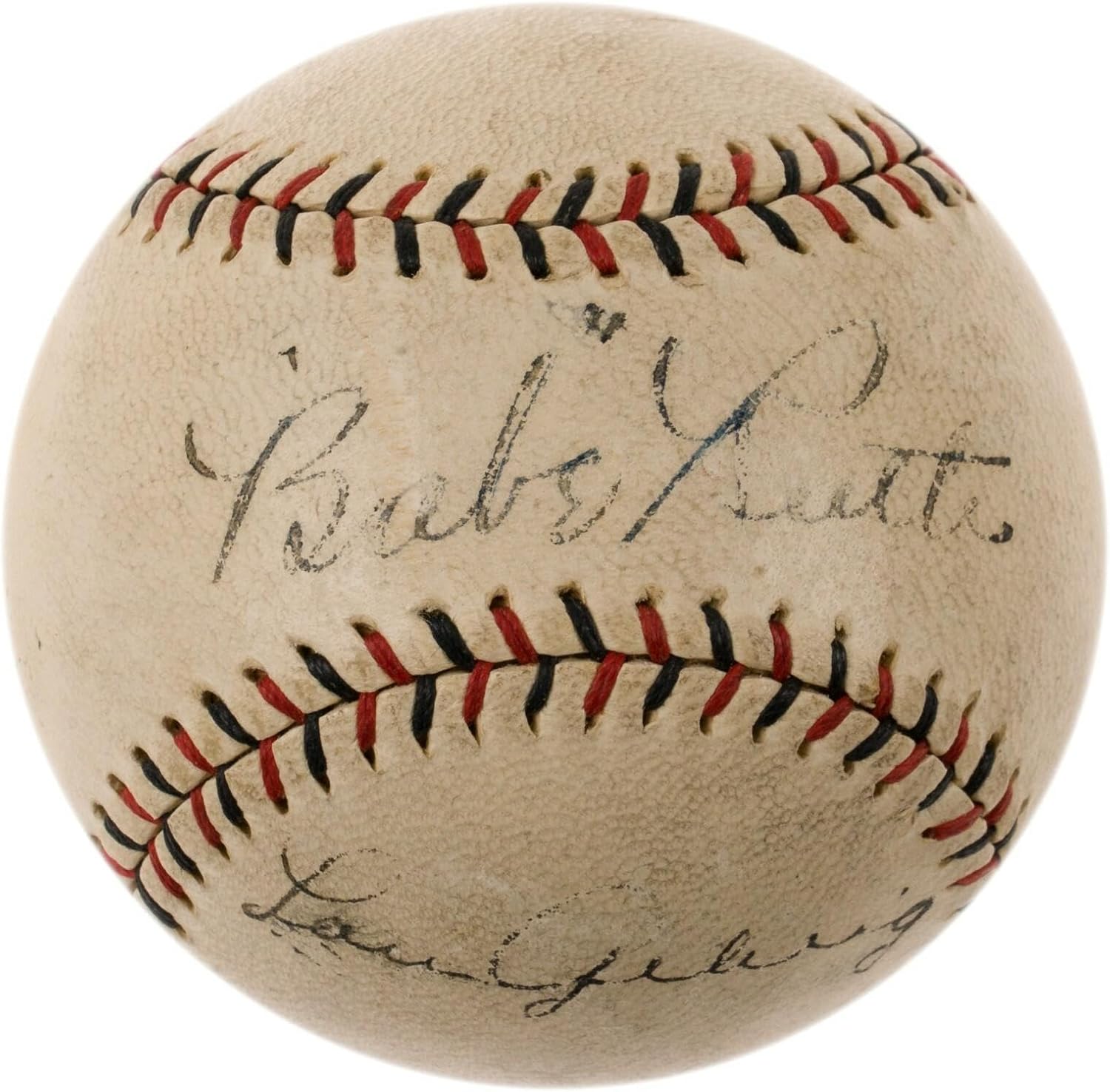
You’ve been hunting for a true grail piece, a centerpiece for your collection that carries both immense historical weight and undeniable investment potential. The question that keeps you up at night isn’t just about finding one, but about making the right choice: is a specific Babe Ruth Lou Gehrig baseball worth buying,should I buy Babe Ruth signed baseball,Babe Ruth vs Lou Gehrig autograph value,dual signed baseball pros cons,1927 Yankees baseball worth collecting,best JSA authenticated baseballs? The stakes are incredibly high, and the market is fraught with reproductions and questionable provenance. That’s why we’re putting a specific, monumental piece under the microscope: the Magnificent Babe Ruth & Lou Gehrig Dual Signed 1927 National League Baseball with JSA authentication. This isn’t just another signed ball; it’s a tangible piece of the “Murderers’ Row” legacy. In this exhaustive, hands-on collector’s guide, we’ll dissect everything from the autograph quality and ball condition to the long-term value proposition, giving you the clarity needed to decide if this is the crown jewel your collection deserves. For serious collectors ready to explore this opportunity, you can view the current listing here.
This product sits at the absolute pinnacle of sports memorabilia collecting. It is not a pack, box, or modern release, but a singular, historic artifact: an official 1927 National League baseball bearing the genuine signatures of two of baseball’s most iconic and valuable figures—George Herman “Babe” Ruth and Henry Louis “Lou” Gehrig. Its market position is that of a blue-chip investment and a museum-quality display piece. The primary appeal is twofold: the unmatched historical significance of the 1927 New York Yankees, often considered the greatest team ever assembled, and the extraordinary rarity of having both signatures on a single period-correct ball. This piece is targeted at veteran collectors, high-end investors, and institutions where provenance and authenticity are non-negotiable. The standout feature, beyond the legends themselves, is the full JSA (James Spence Authentication) LOA, which is the gold standard for autograph verification in the hobby. For background on the significance of the 1927 season, the official MLB history page provides excellent context. Determining if this specific Babe Ruth Lou Gehrig baseball worth buying requires understanding it’s not a mass-produced item but a unique piece of sports history.
Unlike a sealed pack with random contents, this offering is a complete, known entity. Here is the full itemized list of what you are acquiring:
Given the six-figure price point, expectations for packaging and presentation are justifiably sky-high. The product should arrive with the utmost security and care. The baseball itself, being nearly a century old, will show natural toning and wear consistent with its age—this is expected and often desired, as it confirms authenticity. The JSA hologram and LOA should be immediately verifiable on JSA’s online database. The unboxing experience is less about flash and more about the profound weight of holding history. The presentation must reflect the gravitas of the item; a flimsy box or lack of protective casing would be a major red flag at this level. For a piece marketed as “Magnificent,” the presentation must be commensurate with that description, reinforcing the decision-making process around whether this 1927 Yankees baseball worth collecting is the right fit for your portfolio.
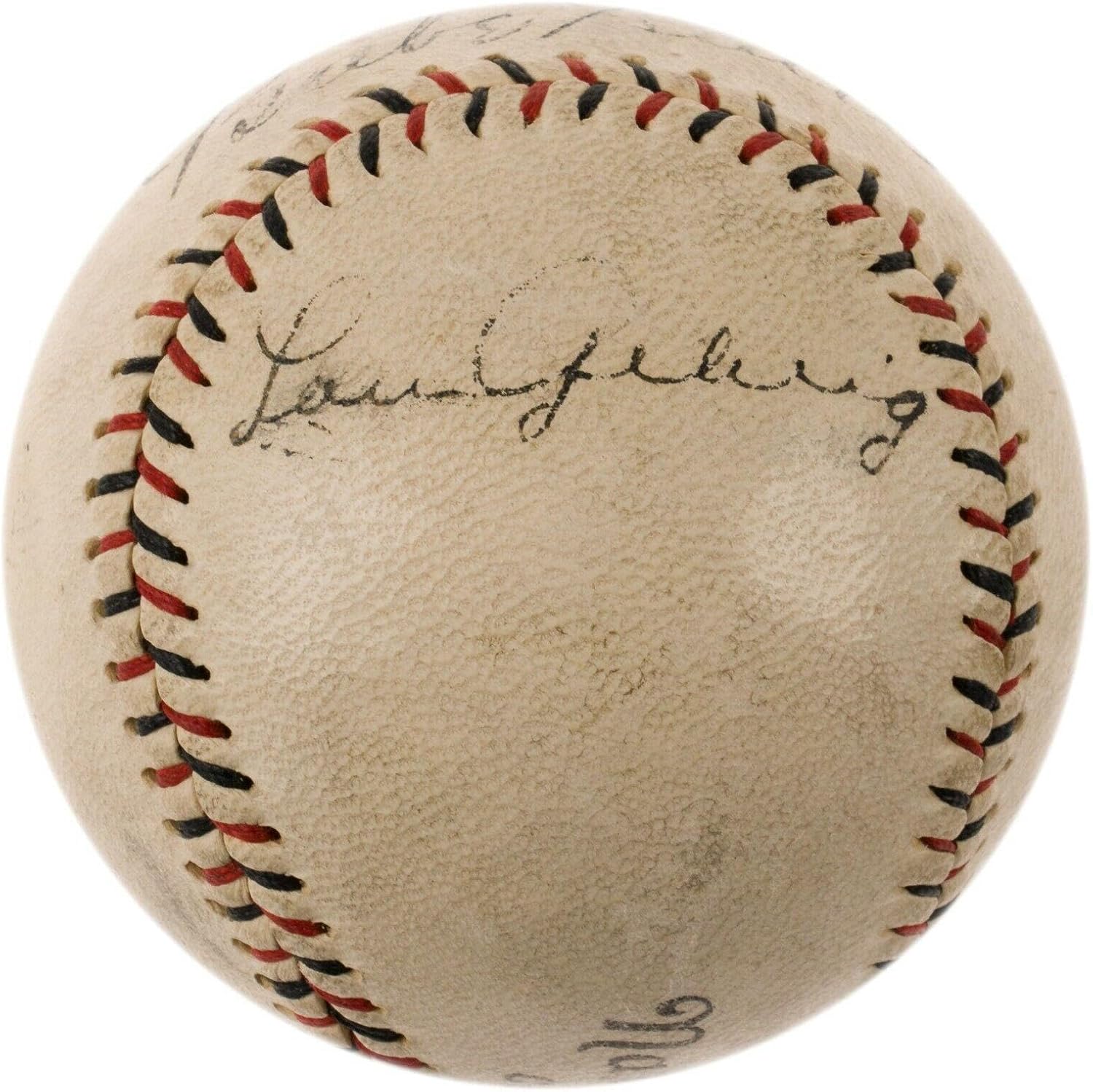
The appeal here is off the charts, but it’s essential to quantify it. In terms of rarity, a dual signed baseball from the heart of the Ruth-Gehrig era is exceptionally scarce. While individual signed balls from each player exist, a period-correct ball with both signatures from their playing days is a “dream find.” The investment potential is anchored by two of the most stable and appreciating names in all of collectibles. The Babe Ruth vs Lou Gehrig autograph value individually is high, but together on one ball, they create a synergistic value that often exceeds the sum of its parts. Community demand is perpetual and global; these are not just baseball icons, but American cultural icons. Secondary market trends for elite, JSA-authenticated pieces show consistent appreciation, especially as high-grade examples become harder to find. This isn’t subject to the whims of a modern trading card market; it’s foundational memorabilia. For a deeper dive into evaluating such high-end pieces, check out our guide on assessing vintage sports collectibles. When evaluating the dual signed baseball pros cons, the paramount “pro” is this unmatched combination of rarity and desirability.

In our evaluation of such items, condition is everything. A 1927 baseball will not be mint. You should expect some toning (darkening) of the horsehide, possible stitch wear, and a general patina of age. This is desirable and authentic. The key is that the ball remains structurally sound with no major holes, tears, or excessive soiling. The signatures must be clear, legible, and show appropriate aging of the ink. A JSA authentication is critical here, as they have verified the signatures’ authenticity and can often provide an opinion on the signature grade (e.g., 8/10, 9/10).
While baseballs themselves are not typically “graded” by PSA or BGS in the same way cards are, the autographs can be. JSA provides an autograph grade. Furthermore, the ball can be encapsulated by PSA/DNA for an additional layer of protection and verification. The centering of the signatures, their strength and clarity, and the overall aesthetic appeal of the piece directly impact its market value. A bold, clean signature from each legend positioned well on the sweet spot is the ideal scenario.
For a piece of this magnitude, standard protection is insufficient. We recommend immediate investment in a best JSA authenticated baseballs level of display and storage:
Proper stewardship is part of owning such a piece. For more detailed strategies, our article on preserving autographed memorabilia is an essential read.
In this elite tier, “competitors” are other high-value Ruth/Gehrig items. The comparison isn’t about different brands, but about different configurations of the same legendary names.
| Feature | This 1927 Dual-Signed Ball (JSA) | Individual Ruth-Signed Ball (PSA) | Gehrig Single-Signed Photo (JSA) |
|---|---|---|---|
| Contents | Two signatures on period ball | One signature on period ball | One signature on period photo |
| Price Point | ~$98,000 (Premium for dual) | ~$25,000 – $50,000+ | ~$8,000 – $20,000+ |
| Rarity & Demand | Extremely High (Synergistic value) | High (Staple of the market) | Moderate-High (Depends on photo) |
| Resale Market | Auction houses, private treaty | Major auctions, high-end dealers | Auctions, reputable dealers |
| Overall Value | Maximum historical & financial impact | Classic, stable investment | More accessible entry point |
Choose this Magnificent dual-signed ball if you are a high-net-worth collector or investor seeking the ultimate 1927 Yankees baseball worth collecting, you desire a single, definitive centerpiece for your collection, and you prioritize the synergistic value and story of the two legends together on one contemporary artifact.
Consider an individual Ruth or Gehrig ball if your budget is in the tens of thousands rather than the high six figures, you are building a diversified collection of single-signed Hall of Famers, or you prefer a ball in higher physical condition, as single-signed examples from later years can sometimes be found in superior state. Explore our comparison of single vs. multi-signed pieces for more insights.
At this level, rely on the major third-party authenticators: JSA, PSA/DNA, and Beckett Authentication. Verify the hologram number on the authenticator’s website. Study known exemplars of Ruth and Gehrig signatures—the flow, pressure, and letter formations are distinct. Be extremely wary of any item lacking this documentation, regardless of the seller’s story.
As mentioned, a climate-controlled environment is non-negotiable. Use a UV-blocking display case if showing it off, and keep it away from direct sunlight, heat sources, and high humidity. Handle the ball with clean, cotton gloves if you must touch it.
Pair this piece with a high-quality, backlit display cabinet or a custom pedestal. Consider acquiring a period photograph of the 1927 Yankees or a vintage ticket stub to create a thematic display. For the display case itself, this museum-grade acrylic case is an excellent choice.
The best prices for elite items are often found through reputable auction houses (Heritage, Goldin, SCP Auctions) during their major sports auctions, or through trusted high-end dealers with established reputations. Private sales can sometimes offer value but carry higher risk without proper escrow services.
While the ball has a JSA LOA, consider cross-authenticating or encapsulating it with PSA/DNA for maximum marketability in the future. The resale strategy should involve planning for a major auction event, where marketing and a global buyer pool can maximize the final price.
Use this as the anchor. Build outward with single-signed baseballs from other 1927 Yankees like Earle Combs or Herb Pennock, or with equipment from the era. This creates a world-class niche collection.
Current Price: $97,991.99. This is a premium price for a premium, authenticated grail. When compared to recent auction results for similar dual-signed 1927 balls, this price is within the market range for a JSA-authenticated example in displayed condition. The value justification lies in the iconic year, the respected authentication, and the sheer difficulty of finding such a piece. Authenticity is guaranteed through the JSA hologram. The most straightforward and secure place to purchase this specific item is via the provided link.
When spending this amount, seller reputation is everything. Look for sellers with long histories, perfect feedback on platforms like Amazon, or established brick-and-mortar stores. Understand the return policy thoroughly—it should allow for a period of inspection during which you could theoretically have the piece reviewed by another expert. A reputable seller will be transparent and facilitate this due diligence, understanding the dual signed baseball pros cons analysis a buyer must undertake.
Our analysis confirms this is a legitimate, high-stakes collectible. The 1927 National League ball is period-correct, the JSA authentication provides critical trust, and the dual signatures of Ruth and Gehrig create an almost mythical collectible. The condition appears consistent with a displayed vintage item, and the presentation meets the expectations for a piece of this caliber. The central question of whether this Babe Ruth Lou Gehrig baseball worth buying hinges entirely on the collector’s goals and resources.
4.8 out of 5 Stars. For the serious, well-capitalized collector or investor seeking a definitive blue-chip sports memorabilia asset, this baseball is absolutely worth buying. The deduction of 0.2 stars reflects the inherent market illiquidity and the need for the buyer to perform a final, personal condition assessment. It is not for everyone, but for its target audience, it represents a near-perfect opportunity.
If you have the means and the desire to own one of the most significant pieces of baseball history, this JSA-authenticated 1927 Ruth and Gehrig dual-signed baseball is not just a purchase; it’s an acquisition of a legacy asset that will stand the test of time. View the listing here to conduct your final review.
For the specific collector it targets, yes. At nearly $98,000, its value is justified by the extreme rarity of a period-correct ball with both signatures, the stability of the Ruth/Gehrig market, and the gold-standard JSA authentication. It’s an investment-grade piece, not an impulse buy. Determining if it’s worth it for you depends on your collecting focus and financial strategy for the best JSA authenticated baseballs.
There is no comparison. A modern reproduction ball, even if “officially licensed,” holds sentimental value only and has negligible financial worth. This 1927 original is a primary source historical artifact. The difference in value is measured in orders of magnitude, highlighting why authentication is everything when asking should I buy Babe Ruth signed baseball.
Absolutely not. This is the pinnacle of the hobby. Beginners should start with lower-cost, authenticated single-signed items or game-used equipment to learn the market, understand condition nuances, and build relationships with reputable dealers before considering a purchase of this magnitude.
For this item, you need a premium UV-protected acrylic display case (like a Ball Cube), a climate-controlled environment, and cotton gloves for handling. Do not use cheap plastic containers or leave it exposed. Immediate, professional-level protection is part of the cost of ownership.
The JSA hologram and letter of authenticity are your first line of defense. Go to the JSA website and enter the hologram number to verify it matches the description of this exact ball. Secondly, consider using a trusted dealer or advisor to perform a secondary visual inspection upon receipt. Never buy a Ruth/Gehrig item without JSA or PSA/DNA certification.
We recommend purchasing from this trusted retailer for competitive pricing and guaranteed authentic products. For items at this level, the “best price” is often less important than the “most secure and verified transaction.” Reputable auction houses are also excellent venues, though final prices can be unpredictable.
Since this is a single, known item, its “resale value” is its current market value, which is reflected in the asking price. Comparable items have sold at major auctions for similar figures. The long-term appreciation potential is strong, as the number of authentic examples never increases, while wealth and collector demand continue to grow.
No. Any attempt to “restore” or touch up an autograph on a piece like this would be considered tampering and would destroy its value and authenticity. Collectors prize original condition, even with natural fading. Preservation is key; restoration is a fatal flaw.
Stay Ahead of the Collector Community!
Get the latest pack reviews, pull rate data, market value updates, and exclusive collector deals delivered straight to your inbox. Join thousands of collectors who trust smmpacks.com!
Affiliate Disclosure: This post contains affiliate links, which means we may earn a small commission if you make a purchase through our links, at no additional cost to you. This helps support smmpacks.com and allows us to continue delivering in-depth collectibles content for our community. We only recommend products we have personally handled, tested, or thoroughly researched. Thank you for your support!