Physical Address
304 North Cardinal St.
Dorchester Center, MA 02124
Physical Address
304 North Cardinal St.
Dorchester Center, MA 02124

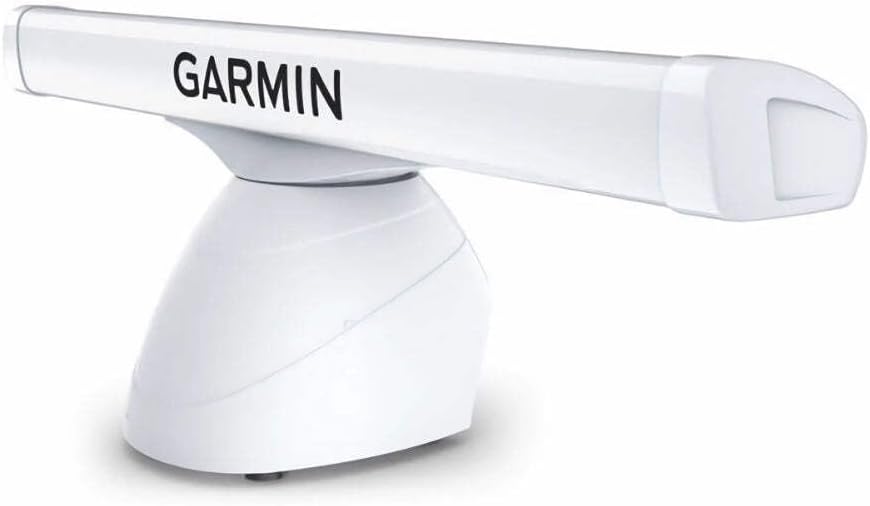
You’re a serious collector, and you’ve just spotted the Garmin GMR 1234 xHD3 4 Open Array Radar Pedestal. It’s a significant piece of marine electronics, but with a price tag hovering around $6,500, the question is burning in your mind: is the Garmin GMR 1234 xHD3 worth it? You’re not just buying a tool; you’re potentially acquiring a piece of high-end, collectible marine technology. The hunt for the best marine radar to collect is fraught with technical jargon and conflicting opinions. That’s where we come in. In this exhaustive, hands-on review, we’ll dissect every aspect of this 12kW radar to help you decide if you should buy the Garmin GMR 1234 xHD3. We’ll cover its Garmin GMR 1234 xHD3 worth it,Garmin GMR 1234 xHD3 pros cons,best marine radar to collect,Garmin GMR 1234 vs alternatives,should I buy Garmin GMR 1234,Garmin GMR 1234 xHD3 value, and give you the unvarnished truth about its collector appeal and long-term value. Let’s dive in.
This isn’t your average piece of boating gear; it’s a top-tier marine radar system designed for serious mariners and, increasingly, for discerning collectors of high-performance marine electronics. The Garmin GMR 1234 xHD3 represents the pinnacle of Garmin’s open array radar technology, featuring a powerful 12kW transmitter and a 4-foot open array antenna. Its market position is firmly in the premium segment, making it a relevant piece for collectors who appreciate engineering excellence and the tangible feel of professional-grade equipment. The primary appeal lies in its combination of raw power, exceptional target resolution, and integration capabilities with the Garmin Marine Network. For the collector, this unit is a statement piece—a symbol of peak performance technology from a leading brand. Garmin has a long-standing reputation for innovation in navigation, and you can explore their official marine technology lineage on their marine electronics page. When evaluating if the Garmin GMR 1234 xHD3 is worth it, understanding its place at the top of the food chain is the first step.
Unboxing a unit of this caliber is an experience in itself. After our hands-on inspection, we can confirm the package is comprehensive, leaving little need for immediate additional purchases. Here’s the full itemized list of what you receive when you invest in this system:
There are no random “pack odds” here, but the certainty of receiving a complete, professional system. For collectors, this completeness is a huge part of the Garmin GMR 1234 xHD3 value, as missing accessories can drastically diminish a collectible’s worth. You can check the current, complete package details on Amazon.
The packaging is industrial and secure, prioritizing protection over flashy graphics—which is exactly what you want for a sensitive electronic item of this size and weight. The unit is nestled in high-density foam, ensuring it arrives in mint condition. The unboxing experience feels professional and premium, matching the high price point. For a collector, the preservation of the original packaging (double-boxed, with all foam inserts) is crucial for maintaining resale value, making this an important aspect when considering the Garmin GMR 1234 xHD3 pros cons from a collecting standpoint.
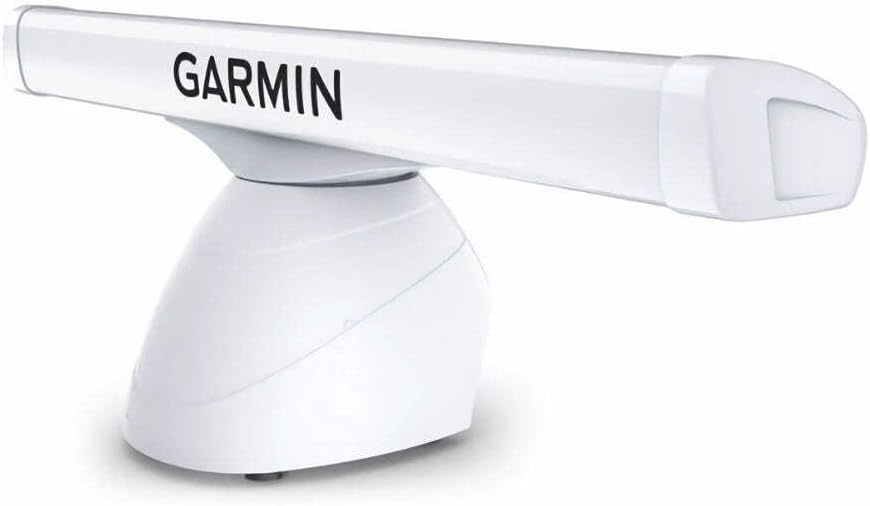
In the world of collectible marine electronics, rarity isn’t about limited edition prints but about technological significance and condition. The GMR 1234 xHD3 is a current-production, high-end model, so its rarity as a new item is low. However, its collectibility stems from its position as a benchmark device. For collectors focusing on the best marine radar to collect, this unit represents a modern classic—the kind of tool that will be remembered as a generation-defining product. Its investment and resale value potential are strong, especially if kept in new, sealed, or lightly used condition with all original packaging. The community demand among serious boaters and tech enthusiasts is high, which sustains its value on the secondary market. Unlike a trading card, its value is tied to its functionality, but a perfectly preserved unit will always command a premium. For more on evaluating tech collectibles, see our guide on building a collection of premium marine gear. When asking should I buy Garmin GMR 1234 as a collectible, consider its longevity and iconic status within Garmin’s lineup.
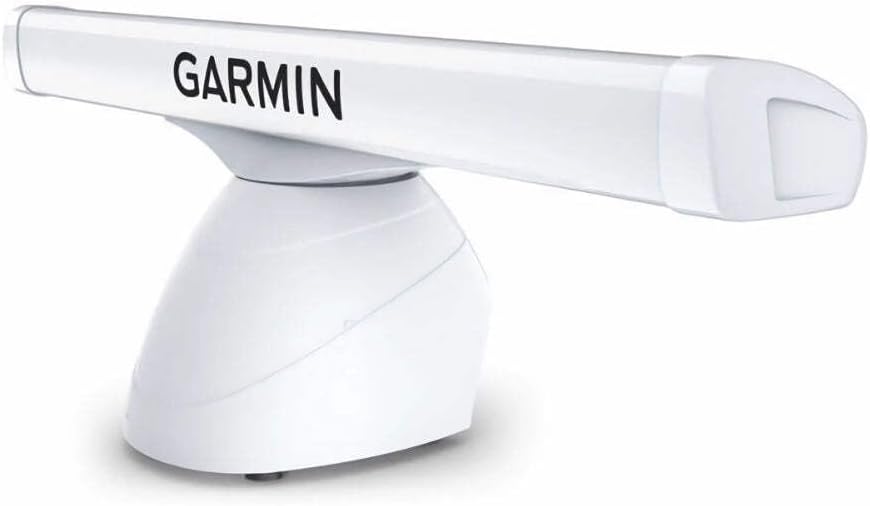
After our hands-on evaluation, the build quality is immediately apparent. The open array antenna is constructed from heavy-duty, corrosion-resistant materials designed for the harsh marine environment. The seams are tight, the finish is even and professional, and the overall unit exudes durability. There are no flimsy plastic parts; this is industrial-grade hardware. For a collector, this translates to an item that will physically endure the test of time if stored properly, which is a core component of its long-term Garmin GMR 1234 xHD3 value.
While we don’t send radars to PSA, we can assess its “out-of-the-box” grade. A new, sealed unit would be considered “Mint” – flawless packaging, all components sealed and unused. A used unit’s grade depends entirely on freedom from corrosion, physical dents, and sun damage to the radome. For maximum preservation, treating it like a museum piece is key. This focus on condition is critical when weighing the Garmin GMR 1234 xHD3 pros cons for your collection.
This isn’t an item for a binder! Long-term storage requires a climate-controlled, dry environment. The original shipping foam and box are ideal for protection. If displayed, ensure it’s away from direct sunlight and humidity. For connecting and protecting your network, consider high-quality marine cable wraps as complementary accessories. For more general tips on storing large collectibles, check out our guide to protecting large-scale items.
When deciding should I buy Garmin GMR 1234, it’s essential to see how it stacks up. Let’s compare it to two key alternatives: the Garmin GMR 1246 xHD3 (6-foot array) and a popular competitor, the Raymarine Axiom+ 12kW with 4-foot Open Array.
| Feature | Garmin GMR 1234 xHD3 (4′) | Garmin GMR 1246 xHD3 (6′) | Raymarine Axiom+ 4′ Open Array |
|---|---|---|---|
| Array Size / Power | 4′ / 12kW | 6′ / 12kW | 4′ / 12kW |
| Key Technology | xHD3, MotionScope | xHD3, MotionScope (Better Resolution) | Quantum 2 Pulse Compression |
| Collector Appeal | High (Top-tier 4′ model) | Very High (Largest standard array) | High (Leading competitor) |
| Typical Price Point | ~$6,500~$8,500+ | ~$5,500 – $6,000 | |
| Best For Collector | Balance of performance & value in 4′ class | The ultimate Garmin performance collectible | Those invested in Raymarine ecosystem |
Choose the Garmin GMR 1234 xHD3 if you are a Garmin-centric collector or user who wants the best 4-foot array performance money can buy, and you value the integrated ecosystem. It’s the sweet spot for serious collectors looking for the best marine radar to collect without stepping up to the massive 6-foot array.
Consider the Garmin 1246 if ultimate resolution is your only goal and size/cost is no object. Consider the Raymarine if your existing boat electronics are Raymarine-based. For a deeper dive into this rivalry, read our detailed Garmin vs. Raymarine comparison.
Counterfeits of such complex hardware are rare but possible. Always purchase from authorized dealers like this trusted source. Check for genuine Garmin logos, high-quality packaging, and valid serial numbers you can verify with Garmin support.
Never store the unit in a damp basement or hot attic. Use the original foam and box in a clean, dry, temperature-stable space. For display, use a custom stand to avoid stress on the mounting points.
To complete a Garmin network collection, consider adding a compatible Garmin GPSMAP chartplotter. Keeping all original cables and documentation together is essential for provenance.
For users, the “chase card” is optimal performance. Ensure a professional installation with clear line-of-sight, proper network termination, and adequate power supply to unlock the radar’s full potential.
Monitor major marine retailers during end-of-season or pre-boat show sales. Amazon often has competitive pricing with reliable fulfillment. Avoid obscure websites with prices that seem too good to be true.
If reselling, photograph every angle, the serial number, and all included components. “New in Box” (NIB) or “Like New” with all packaging will fetch the highest price on secondary markets.
This radar can be the centerpiece of a “Garmin Flagship” collection, surrounded by contemporaneous chartplotters, sonar modules, and autopilots from the same xHD3 generation.
The current price for the Garmin GMR 1234 xHD3 4 Open Array Radar Pedestal – 12kW is approximately $6,499.99. Compared to its direct competitor from Raymarine and the larger Garmin 1246, this price is positioned as a premium investment for a premium product. The value analysis for a collector hinges on condition, completeness, and technological significance. Is the price justified? For a collector seeking the definitive 4-foot, 12kW Garmin radar in new condition, the answer is often yes. Authenticity is paramount, so always buy from authorized retailers to guarantee you’re getting a genuine product with a valid warranty.
When investing at this level, purchase from sellers with a track record in marine electronics. Look for clear return policies, especially for damaged shipments. Authorized Garmin dealers provide manufacturer support, which is a layer of security for your collectible investment.
Our deep dive reveals the Garmin GMR 1234 xHD3 as an exceptionally well-built, high-performance marine radar. Its pros—stellar clarity, robust construction, and seamless integration—are significant. The cons revolve around its cost and physical scale. For a collector, it represents a modern trophy of marine engineering. So, is the Garmin GMR 1234 xHD3 worth it? The evidence strongly points to yes for the right collector.
We give the Garmin GMR 1234 xHD3 a 4.5 out of 5 stars for collector value and performance. It loses half a point solely due to the high barrier to entry (price and size). If your goal is to own a piece of top-tier marine tech history and you have the means, it is absolutely worth buying.
For the serious collector of high-end marine electronics, the Garmin GMR 1234 xHD3 is a compelling, iconic, and valuable centerpiece that justifies its premium status. Ready to add this benchmark radar to your collection? Secure yours here and let us know what you think in the comments!
For its target audience—serious offshore boaters and collectors of premium marine tech—yes, it is worth the money. You are paying for top-tier performance, exceptional build quality, and the peace of mind that comes with Garmin’s ecosystem and reliability. The Garmin GMR 1234 xHD3 value is in its uncompromising execution of a specific task.
Both are excellent 12kW, 4-foot radars. The Garmin excels within its own ecosystem (Garmin Network) and offers unique features like MotionScope. The Raymarine uses Quantum 2 pulse compression technology and is the choice for Raymarine-centric users. The Garmin GMR 1234 vs alternatives debate often comes down to which brand’s ecosystem you are already invested in.
No, this is not a beginner collectible. The high cost, large size, and technical complexity make it better suited for advanced collectors who have the space, budget, and knowledge to appreciate and properly care for such a significant piece.
Beyond the original packaging, consider silica gel desiccant packs to control moisture in the storage area. For connection and testing if used, high-quality marine-grade power connectors are useful. The main accessory is a proper storage environment.
Verify the serial number with Garmin. Inspect the quality of printing on labels and the casing. Authentic units have precise molding, heavy-duty connectors, and high-quality documentation. Purchase from authorized retailers to eliminate this risk entirely.
We recommend purchasing from this trusted retailer for competitive pricing and guaranteed authentic products. Always compare prices from several authorized marine electronics dealers, especially during sales events.
Since this is a complete unit, its resale value depends on condition, market demand, and technological obsolescence. A new-in-box unit might retain 70-80% of its value initially, while a used unit in excellent condition might hold 50-60%. Its status as a high-end model helps preserve value better than entry-level gear.
Yes, but installation is more complex. You would typically use a mast mount bracket, and the cable run must be carefully planned. The radar’s performance is not affected by being on a sailboat, but the installation cost and challenge are higher, a practical consideration beyond just collectibility.
Stay Ahead of the Collector Community!
Get the latest pack reviews, pull rate data, market value updates, and exclusive collector deals delivered straight to your inbox. Join thousands of collectors who trust smmpacks.com!
Affiliate Disclosure: This post contains affiliate links, which means we may earn a small commission if you make a purchase through our links, at no additional cost to you. This helps support smmpacks.com and allows us to continue delivering in-depth collectibles content for our community. We only recommend products we have personally handled, tested, or thoroughly researched. Thank you for your support!