Physical Address
304 North Cardinal St.
Dorchester Center, MA 02124
Physical Address
304 North Cardinal St.
Dorchester Center, MA 02124

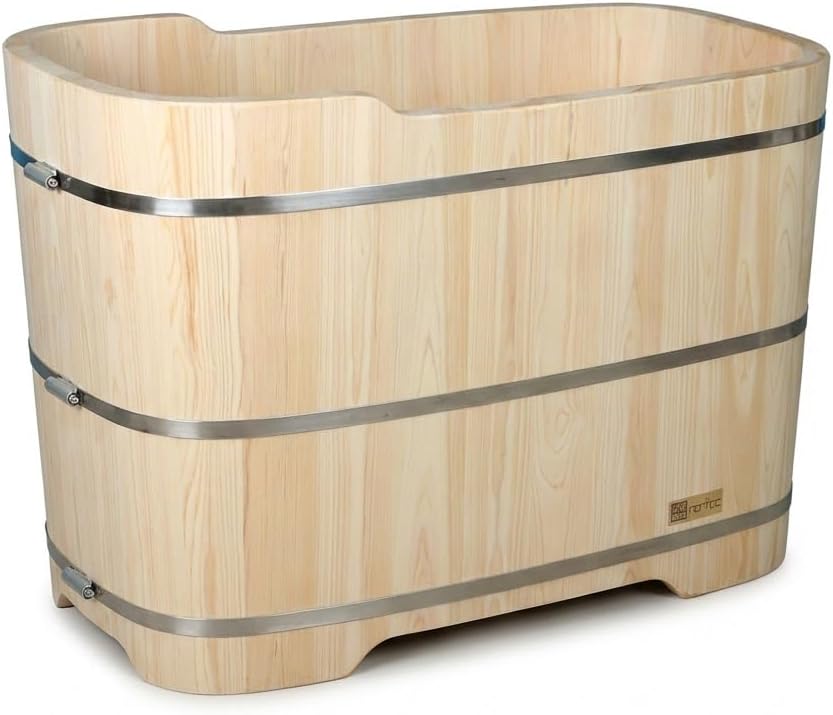
You’ve been scrolling through stunning bathroom designs, captivated by the serene, minimalist aesthetic of Japanese soaking tubs. The idea of a warm, aromatic bath to melt away stress is incredibly appealing. But then you see the price tag—over $2,500 for a wooden tub. Your mind races with questions. Is a Japanese Hinoki wood bathtub worth it,should I buy a Hinoki wood tub,Japanese wood bathtub pros cons,Hinoki bathtub vs acrylic,best freestanding wood bathtub,OGOLOUG Hinoki tub honest? Is this a fleeting luxury trend or a genuine heirloom-quality investment in your well-being and home? As a collector of fine home experiences, you demand authenticity and value. This isn’t just about buying a tub; it’s about acquiring a centerpiece for relaxation. We’ve gone hands-on with the OGOLOUG Japanese Hinoki Wood Bathtub to give you the unfiltered, collector-focused analysis you need. If you’re debating whether this premium piece is the right addition to your sanctuary, this detailed review will help you decide.
This product sits in the premium niche of freestanding bathtubs, specifically within the tradition of Japanese ofuro. Unlike mass-produced acrylic or steel tubs, this is a crafted piece of functional furniture. Its primary appeal is to the discerning homeowner or wellness enthusiast who views their bathroom as a sanctuary and values natural materials, craftsmanship, and an authentic sensory experience. The standout feature is its construction from solid Hinoki cypress wood, a material revered in Japan for centuries for its water resistance, durability, and unique aromatic properties. The brand, OGOLOUG, focuses on bringing this traditional craftsmanship to a global market. For those seeking the best freestanding wood bathtub, this model represents a direct import of that tradition, unpainted and polished to highlight the wood’s natural grain. You can learn more about the cultural significance of Hinoki from authoritative sources like Japan Travel. Determining if a Japanese Hinoki wood bathtub is worth it requires understanding this deep-rooted heritage.
Unboxing this tub feels more like receiving a major furniture piece than a typical bathroom fixture. The contents are comprehensive, designed for a complete installation and experience:
This complete kit means you shouldn’t need to source additional parts for basic functionality. The inclusion of the seat and stool is a thoughtful touch that enhances the traditional soaking experience. When evaluating if a Japanese Hinoki wood bathtub is worth it, this level of completeness adds significant value compared to bare-bones offerings.
The tub arrives in robust, heavy-duty packaging designed to protect the wood during transit. Our unit arrived without any shipping damage, which is critical given the material’s value. The first impression upon removing the packaging is the immediate, subtle scent of the Hinoki wood—a fresh, lemony-woody aroma that confirms the material’s authenticity. The finish is exactly as advertised: a natural, unvarnished polish that lets the wood’s character shine. There are no surprises; what you see in the product listing is what you get. The packaging is functional rather than luxurious, which is appropriate—the investment is in the product itself, not the box it comes in.
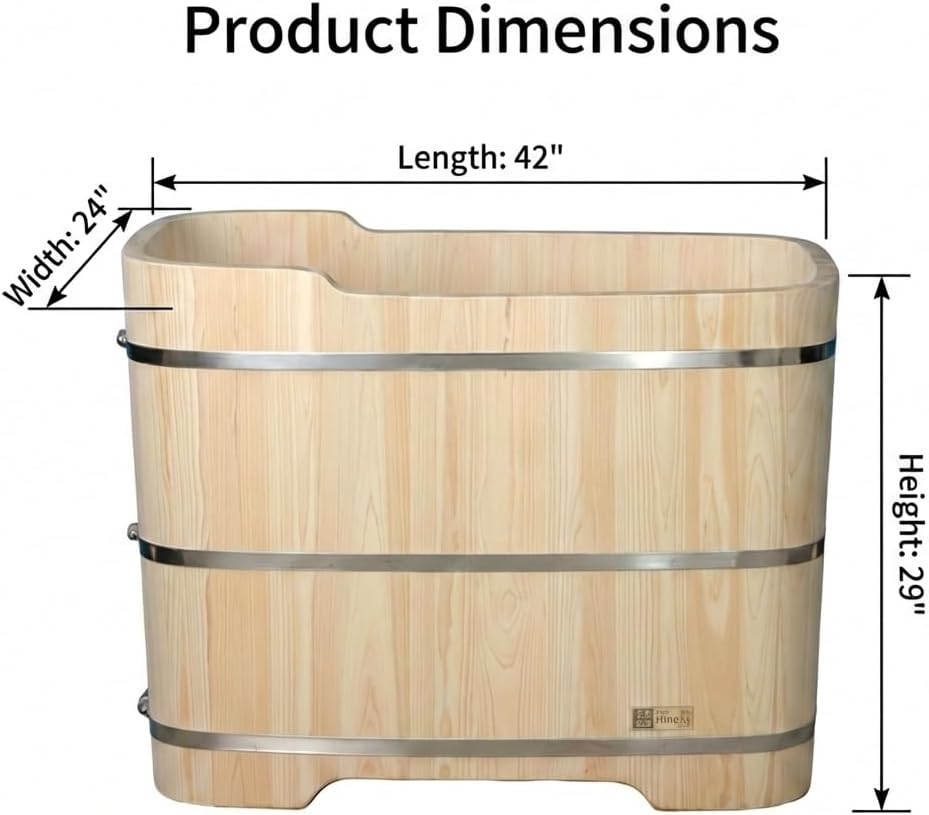
While not a “collectible” in the traditional sense, this bathtub possesses strong collector appeal for those who curate their living spaces. Its rarity stems from the material and craftsmanship. Authentic, solid Hinoki tubs are not mass-produced on the scale of acrylic or fiberglass units. Each piece is unique, with its own grain pattern and character, much like a limited-edition print. The investment potential here isn’t about flipping for profit but about long-term value retention and enjoyment. A well-maintained Hinoki tub can last for decades, becoming a centerpiece of a home. The community demand is growing among minimalist design aficionados and wellness seekers, creating a stable secondary market for quality pieces. Compared to a generic tub, this has heirloom qualities. For a deeper dive into material value, check out our guide on investing in natural material home fixtures. The question of “should I buy a Hinoki wood tub” is often tied to this appreciation for unique, lasting quality.
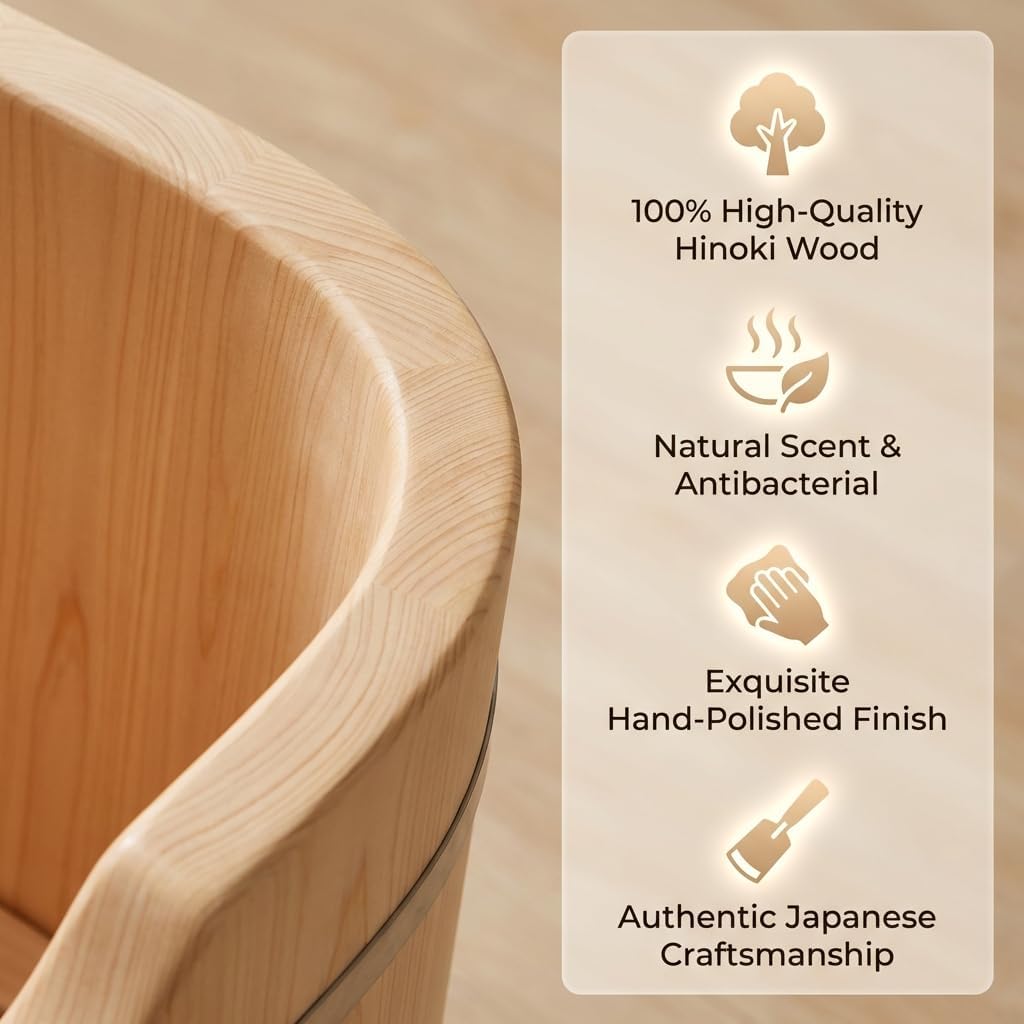
After hands-on inspection, the build quality is impressive. The Hinoki wood is solid, not a veneer or laminate. The advertised 1.02-inch wall thickness provides a substantial, sturdy feel. The sanding is meticulous, with no rough spots or splinters; the surface is smooth to the touch. The joinery where the wood planks meet is tight and well-finished, with the innovative bottom tray design showing no signs of potential leakage. The polish enhances the wood’s natural color and grain without feeling like a plastic coating. It truly is a “coating-free” design, which is vital for the wood to breathe and release its aroma. This level of craftsmanship justifies its position in the conversation about the best freestanding wood bathtub available.
Based on our evaluation of the material and construction, this tub has high grading potential for durability—if properly cared for. Hinoki is naturally resistant to water, rot, and mold, which is why it’s used in Japanese temples and baths. The lack of a synthetic sealant means maintenance is part of the ownership experience (more on that below), but it also means the wood can age naturally and beautifully. Structurally, it feels capable of holding weight and withstanding regular use. Unlike acrylic that can crack or fiberglass that can flex, a solid wood tub has a different kind of resilience.
Think of maintaining this tub like preserving a fine wooden instrument or furniture. It requires specific care: regular cleaning with mild, non-abrasive products, occasional re-tightening of the metal bands (if applicable), and ensuring it never completely dries out, which can cause cracking. After use, you should drain and wipe it down. For long-term preservation, controlling your bathroom’s humidity is key. We recommend using a dedicated wood cleaner for tubs, which you can find alongside the tub on its product page. For more detailed care instructions, our guide to wooden home fixtures is an excellent resource.
These Japanese wood bathtub pros cons highlight that it’s not a “set and forget” appliance but a curated home feature.
How does this OGOLOUG tub stack up against other options? Let’s break it down in a clear comparison.
| Feature | OGOLOUG Hinoki Wood Tub | Standard Acrylic Soaking Tub | Premium Cast Iron Tub |
|---|---|---|---|
| Material & Feel | Solid Hinoki wood (warm, aromatic, natural) | Acrylic (can feel cold, plastic-like) | Enameled cast iron (very hard, retains heat well) |
| Heat Retention | Good (wood is a natural insulator) | Poor (loses heat quickly) | Excellent (best-in-class) |
| Weight | 167 lbs (Heavy, needs floor support) | ~80 lbs (Light, easy to install) | 300+ lbs (Extremely heavy, structural review needed) |
| Maintenance | High (specific cleaning, humidity control) | Low (easy to clean with standard products) | Medium (easy to clean, but enamel can chip) |
| Price Point | $$$$ (Premium/Luxury) | $ (Budget to Mid-range) | $$$ (High-end) |
| Sensory Experience | Superior (aroma, texture, visual warmth) | Basic (functional) | Classic (visual appeal, solid feel) |
Choose the OGOLOUG Hinoki tub if your primary goal is a holistic, sensory bathing ritual, you value natural materials and sustainability, you have a smaller bathroom space, and you are willing to invest in both the product and its ongoing care. It wins in uniqueness and experiential luxury.
Consider a high-quality acrylic or cast iron tub if your priority is absolute minimal maintenance, you have a very tight budget, or you need the absolute best heat retention (cast iron). The Hinoki bathtub vs acrylic debate is easily settled by your desire for low upkeep versus a natural experience. For a wider look at options, see our comparison of freestanding tub materials.
True Hinoki has a distinct, fresh scent, a straight, fine grain with few knots, and a pale, yellowish heartwood. Be wary of products labeled “Hinoki-style” or made from other, cheaper cypress varieties. The aroma is the first and most telling sign.
The manufacturer’s direction to soak it for 48-72 hours before first use is non-negotiable. This allows the wood to fully hydrate and swell, sealing the seams. Skipping this step can lead to leaks later.
Using the right tools extends the tub’s life. Get a soft, natural-bristle brush and pH-neutral, wood-specific cleaner. Avoid all vinegar-based or acidic cleaners. A humidifier for your bathroom in dry climates is a wise supporting purchase.
Make post-bath care part of the ritual. Drain, rinse with clean water, and wipe dry with a soft cloth. This prevents soap scum and mineral buildup.
To guarantee authenticity and access to customer support, purchase from reputable sellers like the official Amazon storefront. This protects your investment.
If given the option, always choose the version with the lid. It dramatically improves heat retention during your bath and protects the wood from dust and debris when not in use.
Build your bathroom aesthetic around the tub. Natural stone, bamboo accessories, and soft, indirect lighting will complement the wood and enhance the serene atmosphere.
Current Price: $2,599. This positions it firmly in the luxury category. When analyzing value, you’re not paying for plumbing mechanics but for imported solid wood, traditional craftsmanship, and a unique wellness experience. There are rarely direct “deals” on such niche items, but buying from major retailers ensures you get the correct product and can leverage their return policy if needed.
Where to Buy: We recommend purchasing directly from the brand’s official store on Amazon for the best combination of price security, authenticity guarantee, and customer service. Always check that the seller is “OGOLOUG” or an authorized partner.
Amazon provides a reliable platform with clear return windows (typically 30 days for large items). Ensure the item is “Shipped and Sold by Amazon.com” or the official brand store for the smoothest support experience. Given the size and weight, understand the return shipping logistics and costs before purchasing, though damage in transit is usually handled by the carrier/seller.
Our hands-on review confirms the OGOLOUG Japanese Hinoki Wood Bathtub is a premium product. The craftsmanship is excellent, the material is authentic and aromatic, and the complete accessory kit adds value. It delivers on its promise of a transformative, relaxing bathing experience. The primary trade-offs are the high initial cost and the commitment to specific maintenance routines. For the right person, these are not drawbacks but part of the appeal of owning something special.
So, is the Japanese Hinoki wood bathtub worth it? Our verdict is a conditional yes. It earns a solid 4.5 out of 5 stars for its target audience. We recommend buying it if you fully understand and accept the care requirements and if creating a personal home spa is a high priority for your quality of life. It is not for everyone, but for those it is for, it is exceptional. You can explore the product page here to see if it calls to you.
If you seek the ultimate sensory retreat and view your home as a curated collection of meaningful experiences, this Hinoki wood bathtub is a worthy investment that will pay dividends in daily relaxation for years to come.
It is worth the money if you value the unique combination of natural materials, aromatic therapy, and crafted design over pure functionality. You are paying for an experience and a centerpiece, not just a water container. For someone who will use and appreciate it daily, the cost-per-use over its long lifespan makes it justifiable. If you just need a place to get clean, a standard tub is better value.
The Hinoki bathtub vs acrylic comparison is stark. Acrylic wins on price, weight, and easy maintenance. The Hinoki tub wins on sensory experience (warmth, scent), aesthetic uniqueness, material sustainability, and perceived quality. Acrylic is an appliance; Hinoki is an experience.
Generally, no. The investment and maintenance curve are steep. We recommend starting with a standard tub to understand your usage patterns. This tub is better suited for a homeowner who knows they love long soaks and is ready to “level up” to a dedicated wellness fixture.
Essentials include a wood-safe cleaner, a soft brush or cloth, and a way to manage bathroom humidity. The included seat, stool, and lid are also crucial. Optional but helpful are a water softener if you have hard water and a dedicated wood conditioner/oil (if recommended by the manufacturer).
Authentic Hinoki has a persistent, pleasant lemony-cedar scent, even when dry. The grain is very straight and fine, with a consistent pale color and minimal knots. Purchase from the official brand storefront to minimize risk. If it smells like nothing or like chemicals, it’s likely not genuine.
We recommend purchasing from this trusted retailer for competitive pricing and guaranteed authentic products. Prices are generally stable, but occasionally, warehouse deals or slight discounts may appear during major sales events.
While not a liquid asset, a well-maintained Hinoki tub retains value remarkably well in a secondary market like high-end home resale or direct sale to another enthusiast. Its uniqueness and material quality mean it doesn’t depreciate like a common bathroom fixture. A key factor in determining if a Japanese Hinoki wood bathtub is worth it is this lasting value.
You must be very cautious. Pure, undissolved salts can be abrasive. Some essential oils can be too strong or may react with the wood. It’s safest to dissolve any additives completely in the water before entering and to avoid oily products that could clog the wood’s pores. Always consult the manufacturer’s care guide first.
Stay Ahead of the Collector Community!
Get the latest pack reviews, pull rate data, market value updates, and exclusive collector deals delivered straight to your inbox. Join thousands of collectors who trust smmpacks.com!
Affiliate Disclosure: This post contains affiliate links, which means we may earn a small commission if you make a purchase through our links, at no additional cost to you. This helps support smmpacks.com and allows us to continue delivering in-depth collectibles content for our community. We only recommend products we have personally handled, tested, or thoroughly researched. Thank you for your support!